Add TOPKHOJ as a Preferred Source on Google
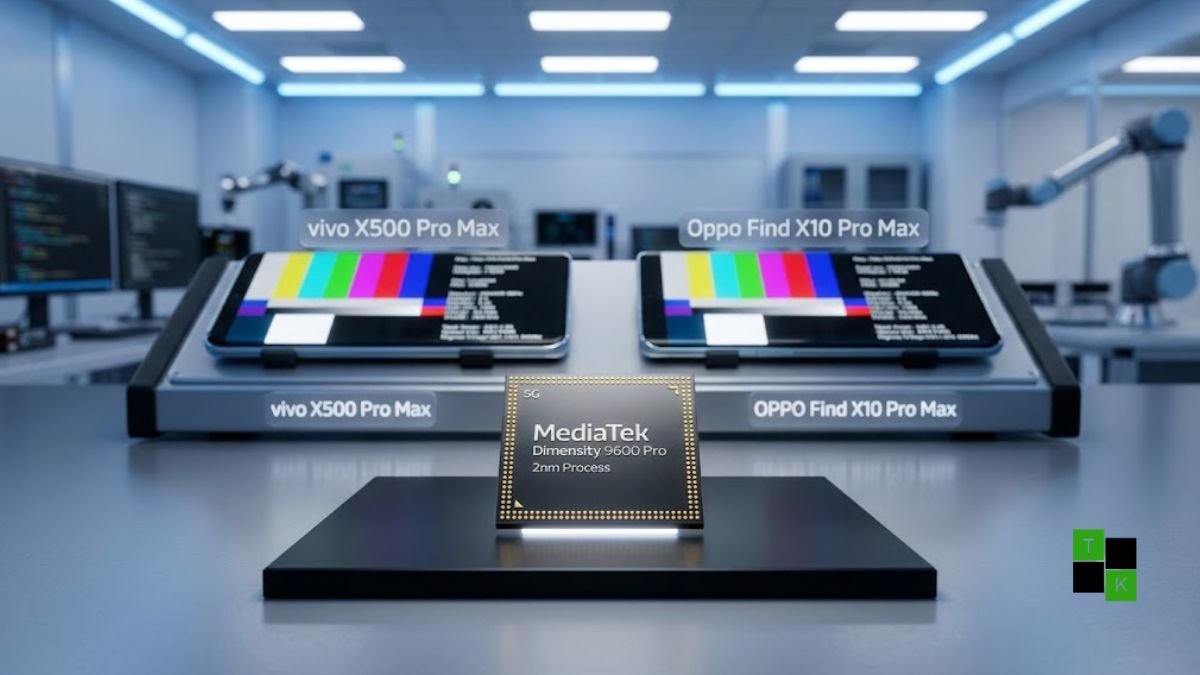
MediaTek has reshaped the competitive dynamics of the ultra-premium smartphone tier with the launch of the Dimensity 9600 Pro. Historically relegated to mid-tier devices or secondary flagship variants, MediaTek’s flagship silicon is now being selected by major original equipment manufacturers (OEMs)-including Vivo, Oppo, and Xiaomi’s performance sub-brands-as the primary processing platform for their highest-end devices.
Fabricated on TSMC’s cutting-edge 2nm (N2P) process node, the Dimensity 9600 Pro packs more than 33 billion transistors and introduces Arm’s next-generation C2-Ultra CPU cores, a dual-NPU architecture, and native support for upcoming LPDDR6 RAM and UFS 5.0 storage standards. The combination of architectural improvements and cost advantages has made the platform an appealing alternative to Qualcomm’s Snapdragon 8 Elite tier.
Why Smartphone Manufacturers Are Choosing the Dimensity 9600 Pro
Smartphone manufacturers face mounting bill-of-materials (BOM) pressure from escalating memory and display component costs. The Dimensity 9600 Pro offers several strategic, financial, and technological incentives for Android brands:
1. Dual-Prime Core Architecture Without Clock-Frequency Throttling
Unlike previous generations that used a single prime core alongside intermediate performance cores, the Dimensity 9600 Pro introduces a 2+3+3 CPU layout:
- Two Arm C2-Ultra Prime Cores: Clocked at 4.55GHz with 2MB of dedicated L2 cache each, handling heavy single-threaded bursts.
- Six Arm C2-Pro Cores: Split into three high-performance cores clocked at 4.35GHz (1MB L2 cache each) and three efficiency-tuned cores running at 3.10GHz (512KB L2 cache each).
- 34.5MB System Cache: Backed by 16MB of unified L3 cache and 10MB of system-level cache, reducing memory latency by 21% compared to the Dimensity 9500.
This configuration achieves single-core Geekbench 6 scores of 4,276 and multi-core scores exceeding 12,650 points, offering desktop-level computing without pushing thermal margins beyond standard vapor-chamber cooling limits.
2. First-Mover Memory Advantage: LPDDR6 & UFS 5.0
The Dimensity 9600 Pro is the first commercial mobile platform engineered to support both LPDDR6 (10667 Mbps) and UFS 5.0 storage. LPDDR6 yields a 33% speed increase over LPDDR5X, while UFS 5.0 doubles data read/write bandwidth compared to dual-channel UFS 4.0. By adopting the chip early, OEMs can market next-generation memory speeds ahead of late-arriving competitors.
3. Agentic AI & Dual-NPU Architecture
With on-device artificial intelligence becoming a mandatory selling point, MediaTek built an Agentic AI Engine featuring a dual-NPU design:
- NPU 1090 + Super Efficient NPU 2.0: The primary NPU doubles INT4 compute capacity, delivering 51% faster LLM prefill speeds and 40% faster token generation.
- 30-Billion Parameter On-Device Models: The engine runs on-device models up to 30 billion parameters, including Mixture-of-Experts (MoE) architectures, without routing data through remote cloud servers.
- Dimensity Scheduling Engine 3.0: Allows devices to hold up to 25 applications active in memory simultaneously while accelerating local model cold-launch speeds by 27%.
4. Neural Graphics and 185fps Gaming
The chip integrates a 12-core Arm Mali-G2 Ultra NX GPU. Through MediaTek’s Neural Graphics Architecture, the GPU shader pipeline links directly with the NPU. This hardware-level bridge offloads super-resolution upscaling and ray-tracing calculations directly to AI cores, delivering 18% faster ray-tracing performance, 24% lower peak power draw, and smooth frame rates up to 185fps in competitive esports titles.
MediaTek Dimensity 9600 Pro: Key Specifications
| Hardware Subsystem | Dimensity 9600 Pro Specification | Generational Improvement vs. Dimensity 9500 |
| Process Node | TSMC 2nm (N2P Architecture) | Upgraded from TSMC 3nm (N3P) |
| Transistor Count | Over 33 Billion Transistors | ~25% Higher Transistor Density |
| CPU Cluster | 2+3+3 Octa-Core Layout | Replaces 1+3+4 Configuration |
| Prime Cores | 2× Arm C2-Ultra @ 4.55GHz (2MB L2 each) | +17% Single-Core Performance |
| Performance Cores | 3× Arm C2-Pro @ 4.35GHz (1MB L2 each) | Higher Sustained Clock Ceiling |
| Efficiency Cores | 3× Arm C2-Pro @ 3.10GHz (512KB L2 each) | +15% Multi-Core Performance |
| GPU Subsystem | Arm Mali-G2 Ultra NX (12 Cores) | +27% Peak Graphics, +18% Ray Tracing |
| NPU Architecture | MediaTek NPU 1090 + Super Efficient NPU 2.0 | 2× INT4 Compute; 55% Higher Token/Watt |
| System Cache | 34.5MB Total (8.5MB L2 + 16MB L3 + 10MB SLC) | 21% Larger L2 Cache Pool |
| Memory Standards | LPDDR5X (10667) & LPDDR6 (10667) | +33% Memory Bandwidth (LPDDR6) |
| Storage Protocols | UFS 5.0 & UFS 4.1 (4-Lane) | 100% Faster Read/Write Speeds |
| Image Signal Processor | Imagiq 1290 ISP (Up to 200MP Sensors) | 4K @ 240fps Slow-Mo & 8K @ 60fps VVC |
| Connectivity | Sub-6GHz 5G (7.3Gbps), Wi-Fi 7, Bluetooth 6.2 | Bluetooth 6.2 & Advanced Rel-17 Features |
Confirmed and Upcoming Dimensity 9600 Pro Smartphones
A growing roster of hardware manufacturers has adopted the Dimensity 9600 Pro for their flagship releases:
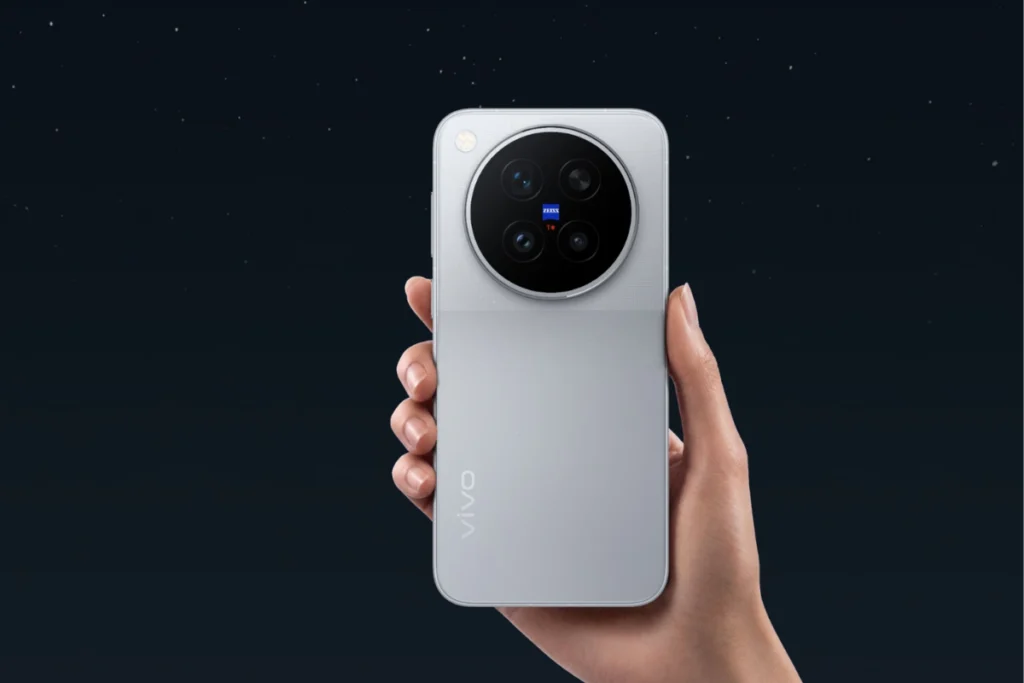
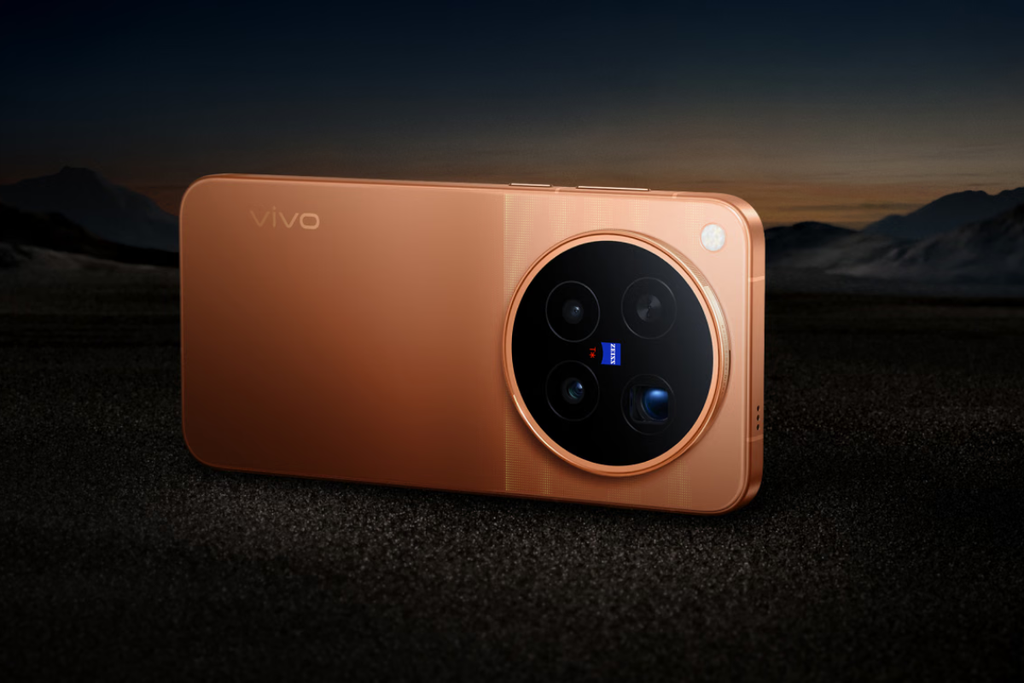
1. Vivo X500 Pro and X500 Pro Max
Vivo became the first manufacturer to commercially debut the Dimensity 9600 Pro on September 21 in China, with an international launch scheduled for October 28, 2026.
- The Vivo X500 Pro pairs the chipset with a 6.36-inch 144Hz AMOLED screen, a 6,510mAh battery with 90W fast charging, and a ZEISS triple-camera system led by a 64MP periscope telephoto lens.
- The top-tier Vivo X500 Pro Max features a 6.85-inch 144Hz LTPO panel, a 7,800mAh silicon-carbon battery, and a 200MP ZEISS primary camera with advanced optical image stabilization.
2. Oppo Find X10 Pro Max 5G
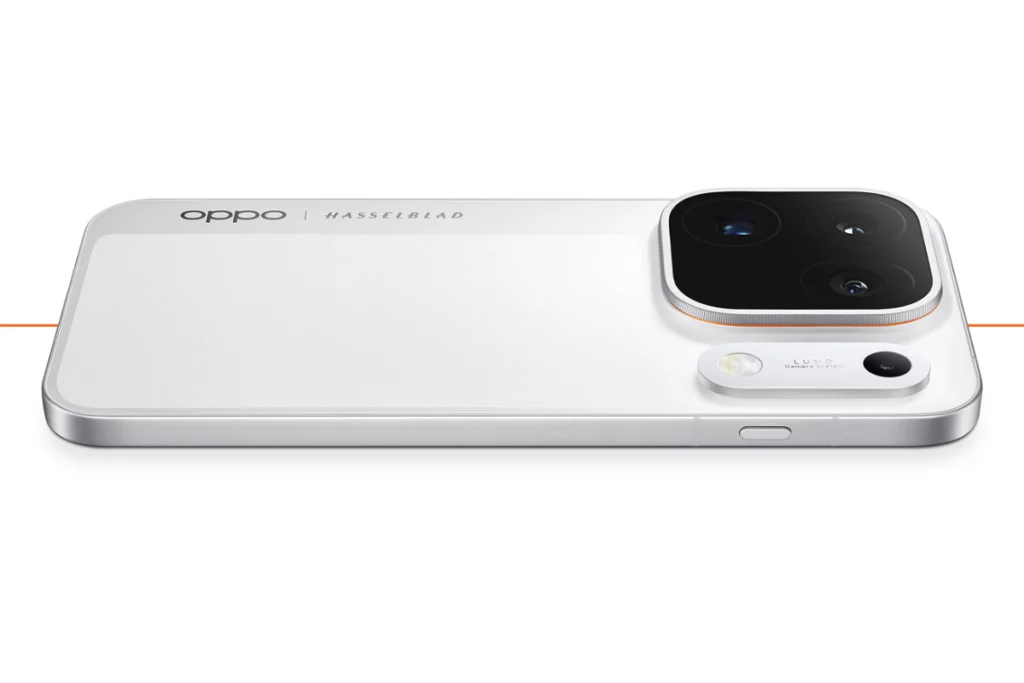
Unveiled in China on September 22, the Oppo Find X10 Pro Max is set to lead Oppo’s international rollout. The flagship features an 8,000mAh Glacier battery with 80W SuperVOOC charging and an ambitious triple 200MP camera system co-engineered with Hasselblad, utilizing the Imagiq 1290 ISP for multi-frame 8K video capture.
3. Vivo X500 Pro Mini
Targeting compact flagship buyers, the Vivo X500 Pro Mini integrates the Dimensity 9600 Pro inside a 6.37-inch chassis. Despite its smaller form factor, the device incorporates a 6,500mAh cell and 100W wired charging, proving that the 2nm silicon provides sufficient thermal efficiency for compact enclosures.
4. Redmi Turbo 6 Max / Xiaomi Performance Tiers
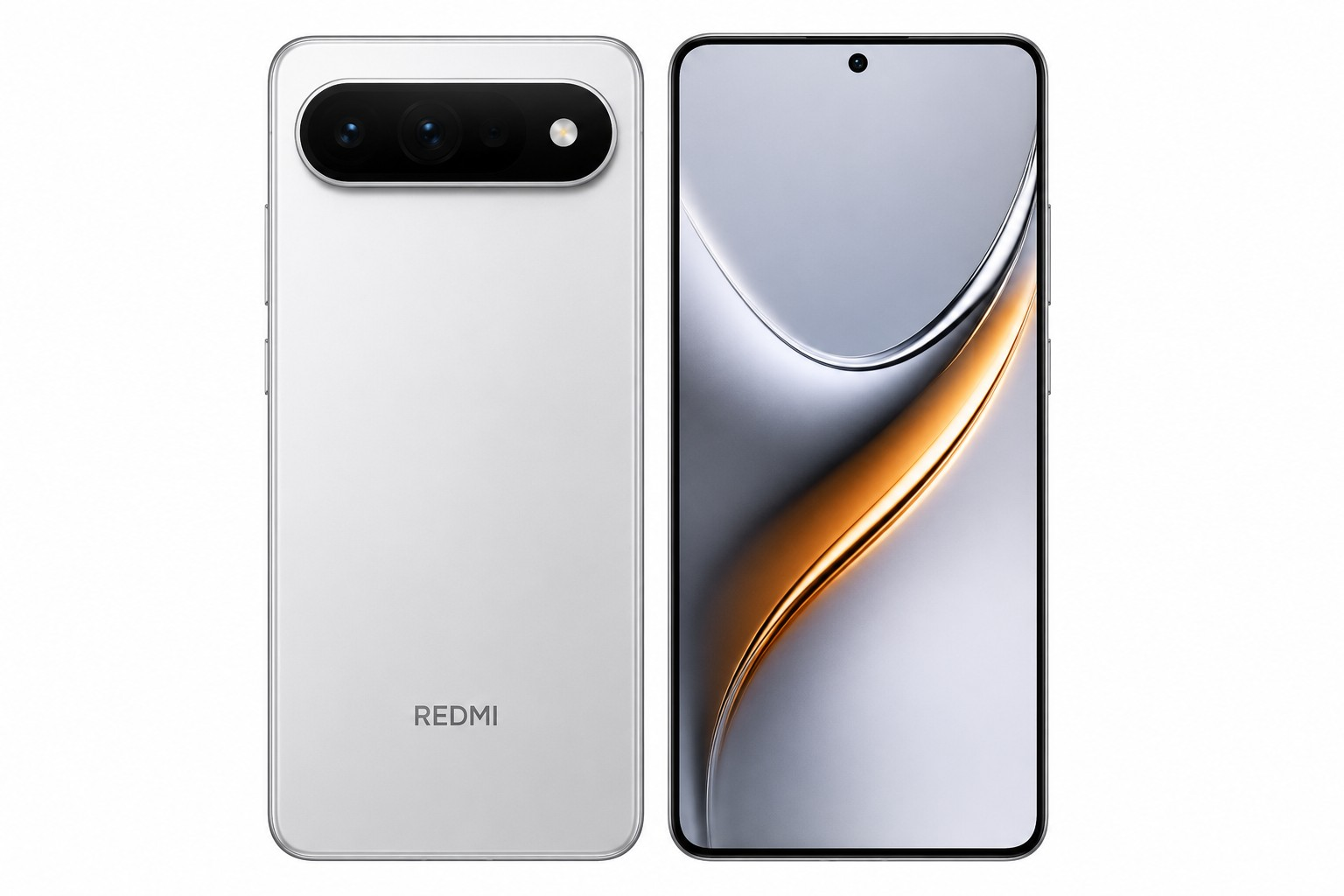
Xiaomi is preparing to adopt the 9600 architecture for its performance-focused Redmi Turbo 6 Max, combining the processor with an expansive 7-inch display and an enormous 9,000mAh battery with 100W fast charging, aiming for an aggressive price-to-performance ratio in early 2027.
Market Outlook: MediaTek’s Flagship Realignment
The widespread OEM adoption of the Dimensity 9600 Pro marks a turning point in mobile silicon. By delivering an early 2nm process node, dual prime CPU cores, and an integrated NPU capable of running 30B agentic models locally, MediaTek has eliminated the historical performance gap with competing chipmakers.
As brands like Vivo, Oppo, and Xiaomi expand global shipments across late 2026 and early 2027, the Dimensity 9600 Pro gives hardware makers the performance and AI headroom needed to anchor ultra-premium flagships without paying the price premiums traditionally demanded by Qualcomm’s highest silicon tiers.
🚨 Stay Updated with TopKhoj! 🚨
Get the latest tech news, deals, and exclusive offers first!
📰 Visit News Section📲 Join our Telegram Channel for real-time updates and best deals!
🔗 Join Telegram Now💡 Stay informed and never miss a great deal with TopKhoj!
⚠️ Disclaimer: Any link provided in the article related to a product or service will redirect you to our affiliate partner(s)' website, which are affiliate links. This means that if you make a purchase through these links, we may earn a commission at no extra cost to you. This commission helps support our blog and our work.
🔔 All prices mentioned above are subject to change based on current offers and availability on e-commerce platforms. Please check the latest price and product details on the product page before making a purchase.