Add TOPKHOJ as a Preferred Source on Google
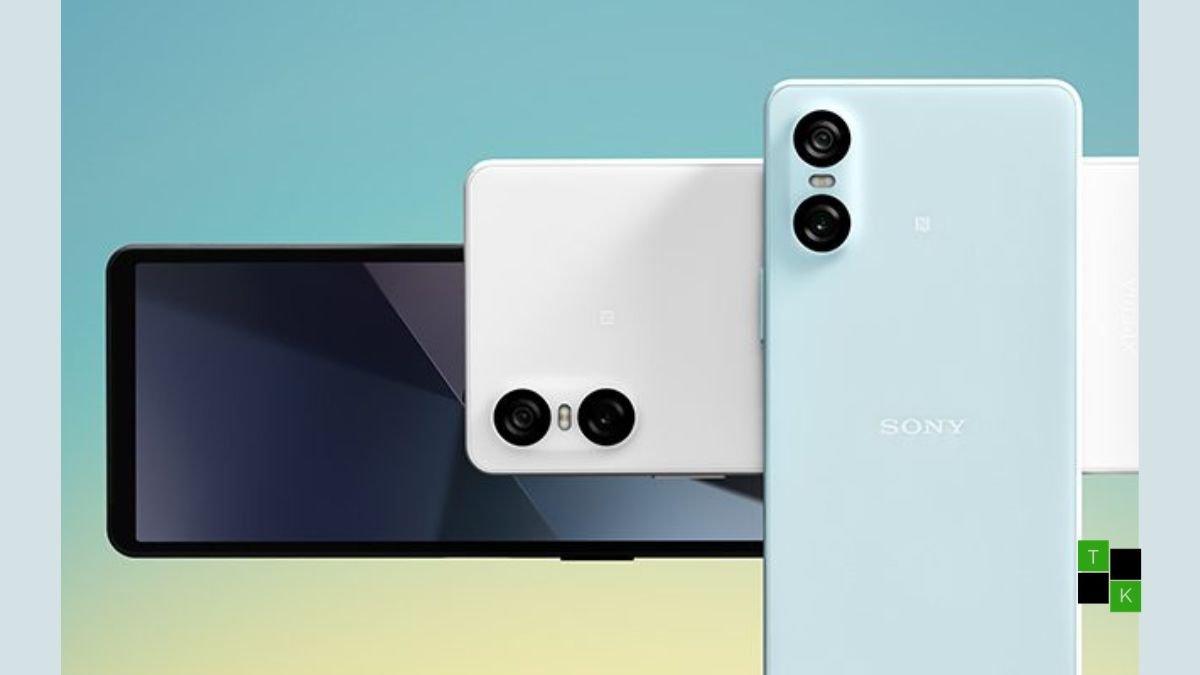
In an era where Android smartphone manufacturers increasingly compete on extended software lifecycles, Sony has issued an unwelcome update to its customer base. The company has formally broken its original software update pledge for the Xperia 10 VI, announcing that the 2024 mid-range smartphone will not receive the Android 17 operating system upgrade.
When the Xperia 10 VI debuted in May 2024 running Android 14 out of the box, Sony marketed the device alongside a clear support timeline: three major Android OS version upgrades (covering Android 15, Android 16, and Android 17) accompanied by four years of routine security patches. However, in an official support advisory published on October 15, 2026, Sony revealed that a technical evaluation determined the phone’s “storage configuration” cannot support an adequate user experience on Android 17. As a result, the planned upgrade has been halted entirely, stranding the device on Android 16 after just two major OS releases.
Sony’s Customer Notice: An Apology and Hardware Constraints
In a direct customer support bulletin titled “Notice regarding the Android 17 OS version upgrade for Xperia 10 VI”, Sony acknowledged the departure from its original promotional roadmap:
“We announced at launch that the Xperia 10 VI would receive three Android OS upgrades. However, after a detailed technical assessment, we determined that due to limitations related to the device’s storage configuration, the Xperia 10 VI does not support an Android 17 upgrade experience that we consider adequate. Accordingly, we have decided not to make this upgrade available. We recognise that this falls short of our original announcement, and we wish to apologise for this change.”
Sony clarified two additional operational parameters in the advisory:
- Security Maintenance Remains Intact: Sony’s commitment to four years of security updates remains unchanged. Xperia 10 VI units will continue receiving critical vulnerability patches and background maintenance updates through May 2028.
- Other Xperia Models Unaffected: The issue is isolated strictly to the Xperia 10 VI’s hardware build. Flagship models such as the Xperia 1 VI, as well as the newer Xperia 10 VII, remain scheduled to receive their planned updates.
The Storage Limitation Argument: Why the Decision Faces Scrutiny
Sony’s justification of “storage configuration” limitations has prompted widespread skepticism across Android enthusiast communities.
The Xperia 10 VI launched with 128GB of internal storage alongside 8GB of physical RAM and an integrated microSD card expansion slot. Across the broader mobile industry, 128GB capacity has proven sufficient to host Android 16 and Android 17 system images, and Sony’s own upcoming models with 128GB flash memory are slated to run Android 17 without issue.
Hardware engineers and mobile OS analysts point to several probable technical reasons behind the cancellation:
- Super Partition Allocation Limits: During system partitioning at the factory level, manufacturers allocate fixed sector blocks for dynamic “super partitions” that hold system, vendor, and product images. If Sony allocated a conservative partition size in 2024, newer Android 17 system images-which integrate larger generative AI frameworks and core libraries-may not fit within the existing partition structure without risky repartitioning logic.
- Flash Memory Read/Write Bottlenecks: Slower sequential and random I/O throughput on older budget UFS modules can lead to UI stutter, caching latency, and system thermal spikes under modern Android system loads. If internal engineering tests demonstrated noticeable performance degradation, Sony likely opted to cancel the update rather than deploy a sluggish build.
- Engineering Resource Allocation: Maintaining custom Board Support Packages (BSP) for the Qualcomm Snapdragon 6 Gen 1 platform requires ongoing developer overhead. With the Xperia 10 VI occupying a lower-margin tier, continuing firmware optimization for a smaller user base was likely deemed uneconomical.
Xperia 10 VI Software Support: Planned vs. Final Status
| Support Milestone | Official Status & Details |
| Launch Operating System | Android 14 (Shipped out of the box in May 2024) |
| First OS Upgrade | Android 15 (Delivered in February 2025) |
| Second OS Upgrade | Android 16 (Delivered in January 2026; Final OS Version) |
| Third OS Upgrade | Android 17 – Officially Canceled by Sony |
| Total Major OS Updates | 2 Version Upgrades Delivered (3 Originally Promised) |
| Security Support Window | 4 Years Maintained (Active through May 2028) |
| Reason for Cancellation | Technical limits related to device storage configuration |
| Impact on Other Devices | Isolated to Xperia 10 VI only; Xperia 1 VI unaffected |
Mid-Range Support Realities: The Widening Industry Gap
Sony’s backtrack highlights the growing disparity in long-term software support between competing smartphone manufacturers:
- The Seven-Year Tier: Google provides seven full years of OS and security upgrades across its Pixel series, extending this policy to mid-range “a” models. Samsung offers up to six to seven generations of OS updates across flagship and select mid-tier Galaxy devices.
- Mid-Range Expectations: At a launch price of €399 / £349 (~₹36,000), the Xperia 10 VI competed directly with handsets that offer three to four OS upgrades. Dropping support after two version updates places the device closer to entry-level budget standards.
What This Means for Current Xperia 10 VI Owners
For existing users, the daily functionality of the Xperia 10 VI will remain stable:
- Daily App Operation: The phone remains on Android 16, ensuring full compatibility with mainstream apps, banking portals, and Google Play Services for years to come.
- Active Security Protection: Monthly and quarterly security patches will continue rolling out through May 2028, maintaining defense against active vulnerabilities.
- Missing Features: Owners will miss out on native Android 17 refinements, including redesigned cross-device continuity protocols, advanced notification management, and updated system privacy settings.
While Sony’s direct communication and apology are commendable, the cancellation sets a frustrating precedent for customers who made buying decisions based on multi-year support commitments. In a mature smartphone market where consumers hold onto hardware longer, honoring software promises remains a vital benchmark of brand trust.
🚨 Stay Updated with TopKhoj! 🚨
Get the latest tech news, deals, and exclusive offers first!
📰 Visit News Section📲 Join our Telegram Channel for real-time updates and best deals!
🔗 Join Telegram Now💡 Stay informed and never miss a great deal with TopKhoj!
⚠️ Disclaimer: Any link provided in the article related to a product or service will redirect you to our affiliate partner(s)' website, which are affiliate links. This means that if you make a purchase through these links, we may earn a commission at no extra cost to you. This commission helps support our blog and our work.
🔔 All prices mentioned above are subject to change based on current offers and availability on e-commerce platforms. Please check the latest price and product details on the product page before making a purchase.