Add TOPKHOJ as a Preferred Source on Google
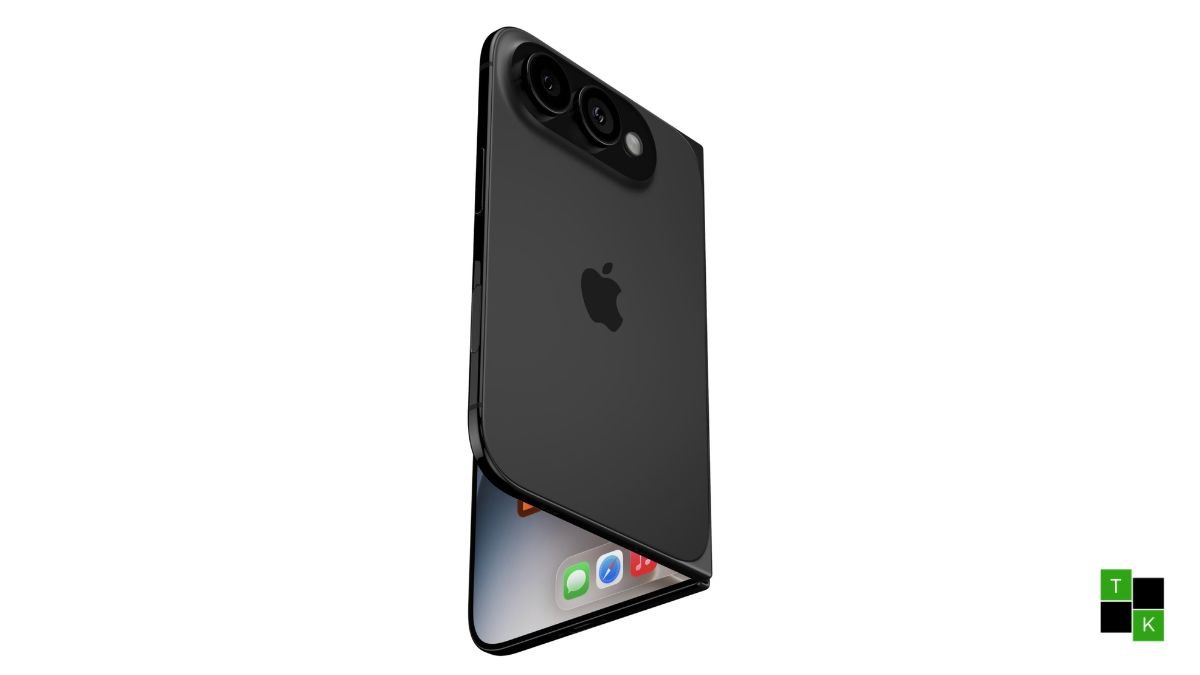
The upcoming Apple Foldable iPhone Ultra is poised to redefine the foldable smartphone market as extensive supply-chain disclosures, carrier prototype shipments, and iOS developer code confirm Apple‘s first book-style folding flagship. Rather than rushing an early concept to market, Apple has reportedly spent years engineering a proprietary liquid metal hinge and a specialized ultra-thin glass display structure designed to eliminate the visible screen crease that has long troubled competing devices.
Expected to debut alongside Apple’s premium fall hardware lineup, the foldable iPhone Ultra targets pro-tier creators and power users by condensing the expansive screen real estate of an iPad mini into a pocket-friendly, 4.5mm-thin folding chassis.
Key Rumored Hardware & Specifications
| Hardware Category | Apple Foldable iPhone Ultra (Expected Specifications) |
| Expected Announcement | September 2026 Keynote Event (Staggered October Retail Release) |
| Estimated Starting Price | $2,000 to $2,499 / ~£1,599 to £1,699 (~₹1,99,900+ in India) |
| Inner Folding Display | 7.76-inch to 7.8-inch Super Retina XDR OLED (4:3 Aspect Ratio, 120Hz ProMotion) |
| Outer Cover Display | 5.49-inch to 5.5-inch OLED Display (Slightly wider passport-style form factor) |
| Crease Engineering | Sub-0.15mm depth with custom optically clear structural adhesive (“Crease-Free”) |
| Chassis Thickness & Weight | ~4.5mm to 4.8mm (Unfolded) / ~9.0mm to 9.5mm (Folded) / ~229-240 grams |
| Hinge & Body Construction | Amorphous Liquid Metal Hinge + Grade 5 Titanium Stress Frame & Aluminum Shell |
| Primary System Silicon | Apple A20 Pro Processor (TSMC 2nm Process Node) |
| Cellular & Connectivity | In-house Apple C2 5G Custom Modem |
| Unified Memory / Storage | 12GB Unified RAM / 256GB, 512GB, 1TB Storage Tiers |
| Biometric Security | Touch ID Integrated into Side Power Button (No Face ID TrueDepth Notch) |
| Rear Optics System | Dual 48MP Fusion Sensors (Wide + Ultra-Wide) + Dedicated Camera Control Button |
| Front Selfie Optics | Dual 18MP-24MP Center Punch-Hole Cameras (One on Cover, One on Inner Screen) |
| Operating System | iOS with Dedicated Foldable Mechanical APIs (foldState, multi-angle multitasking) |
Detailed Feature Breakdown
The “No-Crease” Breakthrough and Liquid Metal Hinge
Display crease visibility remains the primary complaint among foldable smartphone users. To overcome this challenge, Apple partnered with Samsung Display on a custom manufacturing process where touch sensors are embedded directly into the display stack-thinning the entire panel assembly by approximately 19%.
Crease Minimization Architecture
 ├── Mechanical Hinge ──> Amorphous Liquid Metal Alloy Resists Micro-Deformation
 ├── Glass Substrate ──> Custom Chemically Strengthened Ultra-Thin Glass (UTG)
 └── Optical Bonding ──> Specialized Clear Elastic Adhesive Fills Central Bend Radius
Leaked supply-chain specifications indicate a crease depth below 0.15mm and a bend angle under 2.5 degrees. Combined with a liquid metal hinge that distributes torsional stress evenly, the inner 7.8-inch display appears virtually flat to the touch and under direct ambient lighting.
Passport Form Factor: 4:3 iPad-Style Canvas
Unlike tall, narrow book-style foldables, the iPhone Ultra adopts a wider “passport” layout. When folded, the 5.5-inch outer screen offers a standard typing width similar to a traditional compact phone. Unfolding the device opens up a generous 7.8-inch screen with a 4:3 aspect ratio.
This 4:3 dimension mirrors the native aspect ratio of the iPad mini, allowing iOS apps to scale into full tablet split-view workflows without black bars or awkward letterboxing.
A20 Pro Silicon & The Apple C2 Modem
Under the hood, the device will be driven by Apple’s next-generation A20 Pro chip, manufactured on TSMC’s 2nm fabrication node.
- 2nm Efficiency: The dense transistor architecture provides superior thermal management, allowing the 4.5mm-thin chassis to sustain high performance without active cooling fans.
- Apple C2 Modem: The device is expected to debut Apple’s second-generation in-house 5G modem, delivering faster carrier aggregation and reduced battery draw during standby.
- 12GB RAM Standard: Increased unified memory headroom supports on-device Apple Intelligence models, local photo editing, and simultaneous multi-app windowing.
Design Trade-Offs: Touch ID Replaces Face ID
Engineering a device that measures just 4.5mm when unfolded forced Apple to make specific structural compromises:
- Touch ID Side Button: The complex optical prism and dot projector required for Face ID could not fit inside the ultra-thin display bezel. Instead, Apple integrated a fast Touch ID capacitive sensor into the side power button, similar to modern iPad Air models.
- Dual Camera Array: To prevent a massive camera bump from unbalancing the phone on flat surfaces, the iPhone Ultra utilizes a dual 48MP main and ultra-wide camera array, omitting the bulky periscope telephoto lens found on the standard Pro Max.
Timeline
        June 2026                      July 2026                     September 2026 (Expected)
────────────┬─────────────────────────────┬─────────────────────────────┬─────────────
            │                             │                             │
   iOS Code Confirms Foldable    Carrier Prototypes Shipped     Official Apple Keynote
   APIs at WWDC Keynote          For Network Certification      Unveiling (Release in Oct)
- June 2026: Developer beta code from WWDC revealed explicit hardware APIs for variable fold angles (
mechanicalAngleDegrees) and dual-screen state management. - July 2026: Reports from supply-chain insiders confirmed that final test units had been distributed to global telecom carriers for cellular certification.
- September 2026 (Projected): Apple is widely expected to preview the foldable iPhone Ultra at its annual autumn event, with customer deliveries kicking off in October.
What is Confirmed (via Leaks & Code)
- Software Architecture: Explicit foldable windowing APIs, fold-angle sensors, and multi-state flags are confirmed in Apple’s system code.
- Screen Dimensions: Verified 5.5-inch cover screen and 7.8-inch 4:3 inner folding OLED display.
- Hinge Material: Confirmed liquid metal composite hinge assembly with ultra-thin profile.
- Biometric Standard: Verified shift to a side-mounted Touch ID button.
What is Not Confirmed
- Day-One Retail Stock: Severe component complexity and precision assembly yields may limit initial shipment volumes at launch.
- Apple Pencil Support: Whether the inner foldable display supports Apple Pencil input or an ultra-compact stylus accessory remains unverified.
Why This News Matters
The arrival of the Apple Foldable iPhone Ultra represents the most significant shift in Apple’s smartphone hardware strategy since the release of the iPhone X in 2017. By addressing the industry’s biggest pain points-crease visibility, unwieldy thickness, and awkward software scaling-Apple’s entry into the foldable space is set to drive folding form factors directly into the mainstream consumer market.
What Happens Next
With trial production underway and carrier testing finalized, Apple is expected to announce the device at its September hardware keynote alongside the iPhone Pro series. Open pre-orders and staggered retail shipments will follow throughout the autumn season.
🚨 Stay Updated with TopKhoj! 🚨
Get the latest tech news, deals, and exclusive offers first!
📰 Visit News Section📲 Join our Telegram Channel for real-time updates and best deals!
🔗 Join Telegram Now💡 Stay informed and never miss a great deal with TopKhoj!
⚠️ Disclaimer: Any link provided in the article related to a product or service will redirect you to our affiliate partner(s)' website, which are affiliate links. This means that if you make a purchase through these links, we may earn a commission at no extra cost to you. This commission helps support our blog and our work.
🔔 All prices mentioned above are subject to change based on current offers and availability on e-commerce platforms. Please check the latest price and product details on the product page before making a purchase.