Add TOPKHOJ as a Preferred Source on Google
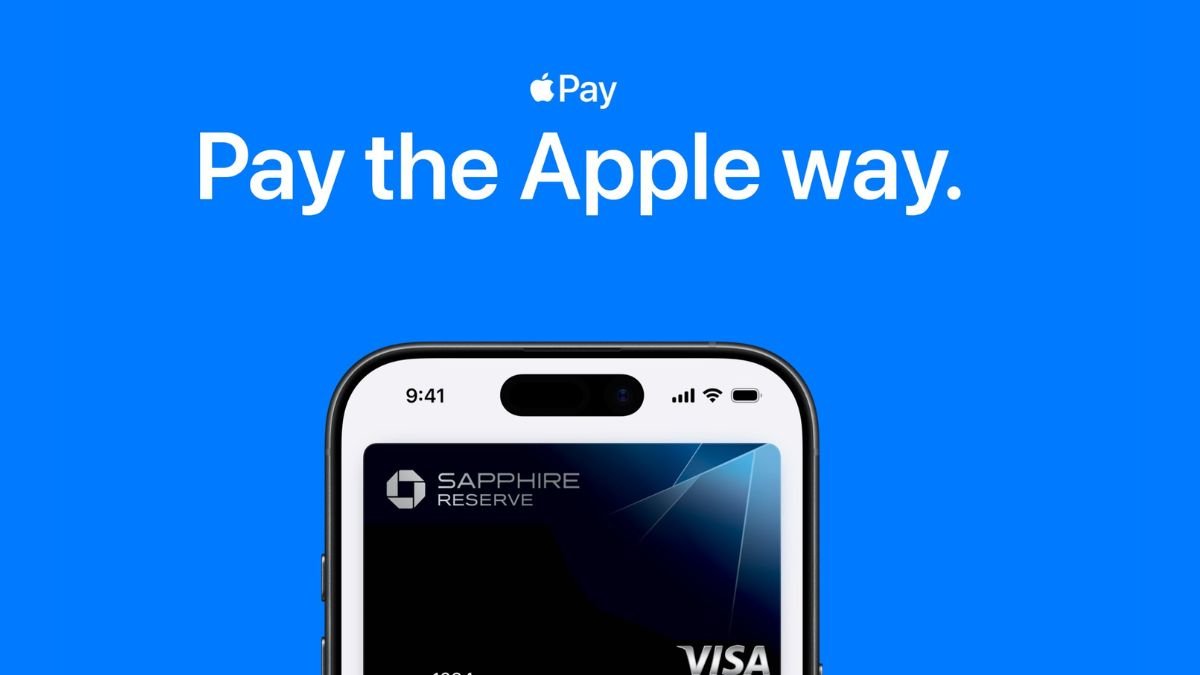
Placing an iPhone or Apple Watch near a credit card terminal to settle a lunch bill takes less than two seconds in dozens of countries worldwide. However, iPhone owners across India have spent nearly a decade watching that smooth, double-click-to-pay ritual remain strictly off-limits on home soil.
Fortunately, that long-standing digital gap appears ready to close. Fresh industry reports indicate that Apple Pay in India is aiming for a commercial rollout by late September or October 2026.
According to financial disclosures, the Cupertino tech giant is in active commercial negotiations with major Indian banking partners to introduce contactless card payments. However, the initial launch comes with a noticeable strategic twist: India’s favorite payment engine, the Unified Payments Interface (UPI), will be missing from the starting lineup.
30-Second TL;DR
- October Launch Window: Industry reports confirm that Apple Pay in India is aiming for a September-end or October 2026 debut.
- Credit Cards First: The initial rollout will focus on Visa and Mastercard credit cards via contactless NFC tap-to-pay, leaving UPI integration on hold.
- Behind-the-Scenes Negotiations: Apple is negotiating a 15 to 20 basis points transaction fee with major banks, funded directly from existing interchange revenue.
Main News Details
The latest intelligence surrounding Apple Pay’s entry into the Indian market points toward a phased launch strategy. Reports from Business Standard and major tech publications reveal that Apple has already completed most of its back-end technical groundwork.
Apple Pay India Rollout Architecture
 ├── Network Infrastructure ──> Visa & Mastercard Credit Card Tokenization
 ├── Physical Hardware Engine ──> iPhone & Apple Watch Contactless NFC Terminals
 ├── Partner Banking Networks ──> HDFC Bank, ICICI Bank, Axis Bank (Under Discussion)
 ├── Revenue Sharing Model ──> 15–20 Basis Points Fee from Bank Interchange Cut
 └── Deferred Infrastructure ──> Unified Payments Interface (UPI Pending NPCI Approval)
To execute the first phase, Apple is in discussions with prominent Indian credit card issuers, including HDFC Bank, ICICI Bank, and Axis Bank. Users will be able to store eligible Visa and Mastercard credit cards inside the native Apple Wallet app, allowing them to tap their Apple devices at physical point-of-sale (POS) terminals across retail stores, restaurants, and airports.
However, integrating UPI requires direct regulatory approval from the National Payments Corporation of India (NPCI) alongside a designated sponsor bank. Because those approvals and biometric authentication protocols require additional time, Apple chose to move forward with a card-first strategy rather than delaying its Indian hardware launch further.
“Rolling out card-based NFC payments first lets Apple establish its Wallet ecosystem in India immediately, even as discussions around UPI approval continue behind closed doors.” — Fintech Market Analyst
Key Highlights
| Market & Technical Category | Confirmed Apple Pay India Details |
| Projected Launch Window | Late September – October 2026 |
| Initial Network Support | Visa and Mastercard Credit Cards |
| UPI Availability at Launch | Deferred (Pending NPCI & Sponsor Bank Clearance) |
| Compatible Hardware | NFC-enabled iPhones and Apple Watch Models |
| Under-Negotiation Banking Partners | HDFC Bank, ICICI Bank, Axis Bank |
| Proposed Commercial Cut | 15 to 20 Basis Points (0.15% – 0.20%) per Transaction |
| Consumer & Merchant Cost | Zero Extra Fee (Deducted from Bank Interchange Cut) |
| Core Authentication Method | Face ID, Touch ID, or Passcode Verification |
Detailed Explanation
Tap-to-Pay Convenience Hits Indian Retail
For Indian iPhone owners, adding credit cards to Apple Wallet changes the daily checkout routine. Instead of pulling out a plastic card or unlocking a third-party application to scan a QR code, users simply double-click the side button on their iPhone or Apple Watch.
Everyday Payment Flow Comparison
 ├── Traditional Plastic Card ──> Pull Wallet ──> Find Card ──> Tap POS ──> Enter PIN
 └── Apple Pay Tokenization ──> Double-Click Side Key ──> Glance at Face ID ──> Tap Device
The Everyday Perk: Tokenization replaces your actual credit card number with an encrypted digital code. That means merchants never see your actual card details during checkout, significantly reducing the risk of card cloning or data leaks at retail counters.
Furthermore, because modern point-of-sale terminals across urban Indian metro centers already support contactless NFC, hardware compatibility is ready from day one.
The UPI Omission: Why India’s Favorite Payment Engine is Delayed
It is no secret that UPI dominates daily digital transactions in India, processing billions of peer-to-peer and merchant payments every month. Consequently, launching Apple Pay in India without native UPI support might seem surprising at first glance.
Phased Ecosystem Architecture
 ├── Phase 1 (October 2026 Target) ──> High-Value Credit Card NFC Tap via Apple Wallet
 └── Phase 2 (Future Timeline) ──> NPCI-Approved UPI Account Linking & QR Scanning
The Regulatory Reality: Setting up UPI inside Apple Wallet involves strict compliance guidelines from the NPCI. These include localized data storage, specific biometric authentication rules, and sponsor bank routing.
Rather than keeping Apple Pay on ice while navigating complex regulatory steps, Apple selected a phased approach. Credit card payments move forward first, while UPI integration remains in development for a subsequent software update.
The Commercial Tug-of-War: Basis Points and Interchange Fees
Behind closed doors, the primary hurdle delaying Apple Pay’s launch has been commercial fee arrangements. Globally, Apple earns a tiny percentage on every transaction processed through Apple Pay.
Proposed Revenue Sharing Breakdown
 ├── Apple's Desired Cut ──> 15 to 20 Basis Points (0.15% to 0.20%)
 ├── Bank Counter-Offer ──> ~10 Basis Points (0.10%)
 └── Impact on Shoppers ──> Zero (Sourced directly from existing interchange fees)
The Money Math: Apple is seeking a transaction fee of 15 to 20 basis points from card-issuing banks. While some Indian banks are pushing for a lower 10 basis point rate, this fee comes out of the bank’s existing interchange revenue. As a result, shoppers and shopkeepers won’t pay a single extra rupee.
With Indian credit card spending growing by 10 to 15 percent annually, major banks are motivated to reach a consensus before the festive shopping season kicks off.
Supported Hardware and Setup Experience
Setting up the service will be straightforward for anyone familiar with iOS. Users simply open the built-in Apple Wallet app, select “Add Card,” and point their camera at their physical credit card.
Device & System Compatibility
 ├── Compatible iPhones ──> iPhone 6s and Newer (All Models with NFC)
 ├── Smartwatches ──> Apple Watch Series 3 and Newer
 └── Desktop Platforms ──> Mac & iPad Models with Touch ID / Face ID
Smooth Setup: Once your bank verifies the card via a single-use SMS password, the digital token stores securely inside the device’s Secure Element chip. You can then complete purchases online or in physical stores instantly.
Timeline
        October 2014                  Early 2026                    August 10, 2026               October 2026 (Target)
────────────┬─────────────────────────────┬─────────────────────────────┬─────────────────────────────┬─────────────
            │                             │                             │                             │
   Apple Pay Launches Globally   Technical Groundwork Prepared  Reports Confirm Card Rollout  Projected India Launch
   Starting in the US Market     For Indian Banking Systems     Negotiations for October      Focusing on Credit Cards
- October 2014: Apple Pay officially debuted globally, starting in the United States.
- Early 2026: Technical integration and server testing between Apple and primary Indian payment gateways were quietly completed.
- August 10, 2026: Industry reports from Business Standard disclosed that Apple Pay is finalizing commercial terms with Indian banks for a card-first launch in October.
- Late September – October 2026 (Projected): Expected commercial rollout across India, coinciding with new hardware announcements.
What is Confirmed
- Card-First Focus: Verified that the initial rollout focuses on Visa and Mastercard credit cards.
- Major Banking Partners: Confirmed ongoing fee negotiations with major credit card issuers, including HDFC Bank, ICICI Bank, and Axis Bank.
- No Direct Consumer Fees: Confirmed that transaction commission fees will be absorbed by card issuers without adding costs for buyers or merchants.
What is Not Confirmed
- Exact Official Launch Date: Apple corporate channels have not published an official launch date calendar.
- RuPay Card Compatibility: Whether native RuPay credit cards will be supported during Phase 1 remains unannounced.
- UPI Launch Timeline: An exact release date for native UPI account linking inside Apple Wallet has not been finalized.
Why This News Matters
The arrival of Apple Pay in India represents a significant milestone for Apple’s growing ecosystem in the country. While UPI dominates daily small-value transactions, credit card usage across urban India continues to soar for mid-to-high-value purchases.
By delivering a fast, secure, and private tap-to-pay experience for credit card holders, Apple strengthens customer loyalty among premium smartphone users. Furthermore, establishing Apple Wallet as a trusted payment hub paves the way for seamless UPI integration down the line.
What Happens Next
As commercial fee talks wrap up between Apple and leading credit card issuers, formal partner agreements will be finalized. Industry watchers expect Apple to officially announce Apple Pay’s Indian availability during its upcoming autumn hardware keynote events, with consumer rollout following shortly after.
Conclusion
The long-awaited launch of Apple Pay in India is finally coming into focus. By debuting with Visa and Mastercard credit card support while continuing work on UPI integration, Apple is taking a pragmatic first step into one of the world’s fastest-growing digital payment markets.
🚨 Stay Updated with TopKhoj! 🚨
Get the latest tech news, deals, and exclusive offers first!
📰 Visit News Section📲 Join our Telegram Channel for real-time updates and best deals!
🔗 Join Telegram Now💡 Stay informed and never miss a great deal with TopKhoj!
⚠️ Disclaimer: Any link provided in the article related to a product or service will redirect you to our affiliate partner(s)' website, which are affiliate links. This means that if you make a purchase through these links, we may earn a commission at no extra cost to you. This commission helps support our blog and our work.
🔔 All prices mentioned above are subject to change based on current offers and availability on e-commerce platforms. Please check the latest price and product details on the product page before making a purchase.