Add TOPKHOJ as a Preferred Source on Google
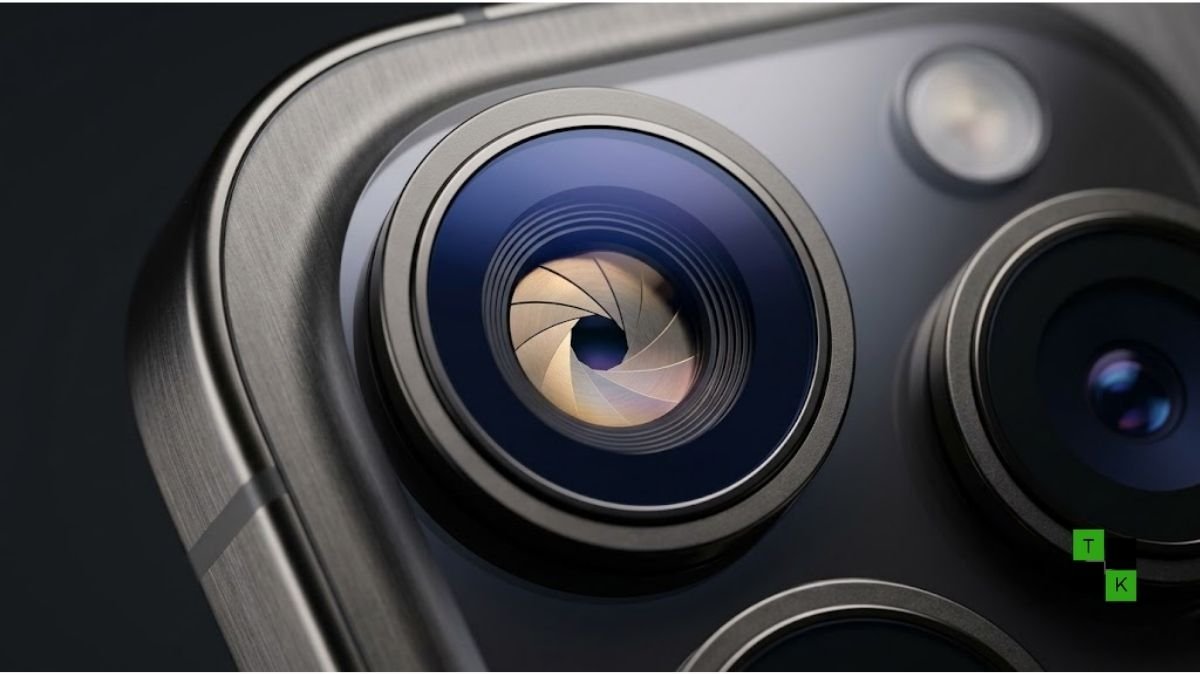
Apple’s official media invitation for its September 9, 2026 keynote-themed “Surprise and shine”-has triggered widespread industry speculation regarding the camera hardware planned for its next-generation flagship smartphones. According to analysis from Bloomberg’s Mark Gurman and earlier supply-chain research by analyst Ming-Chi Kuo, the glowing light rays behind the Apple logo on the invite may serve as a visual hint toward a major optical upgrade: a mechanical variable aperture main camera.
However, fresh reporting suggests that the mechanical iris system may not appear across the entire Pro family, potentially launching as an exclusive hardware differentiator on the larger iPhone 18 Pro Max.

30-Second TL;DR
- Core News: The “Surprise and shine” Apple event invitation is widely interpreted as a preview of mechanical variable aperture optics.
- Key Detail: Supply-chain reporting indicates the primary lens could adjust between f/1.4 and f/2.8, but chassis thickness constraints may limit the hardware to the iPhone 18 Pro Max.
- What It Means: If accurate, Apple is widening the hardware gap between its standard Pro and Pro Max tiers, giving the larger device a distinct advantage for natural depth of field and low-light exposure control.
The Optical Mechanics: Why Variable Aperture Matters
Since the iPhone 14 Pro, Apple’s flagship models have utilized a fixed f/1.78 aperture on their primary 48MP sensors. While a fixed wide opening allows ample light into the sensor, it creates physical limitations when shooting close-up objects, flat documents, or group portraits, where the shallow depth of field frequently causes edge softness or blurred background faces.
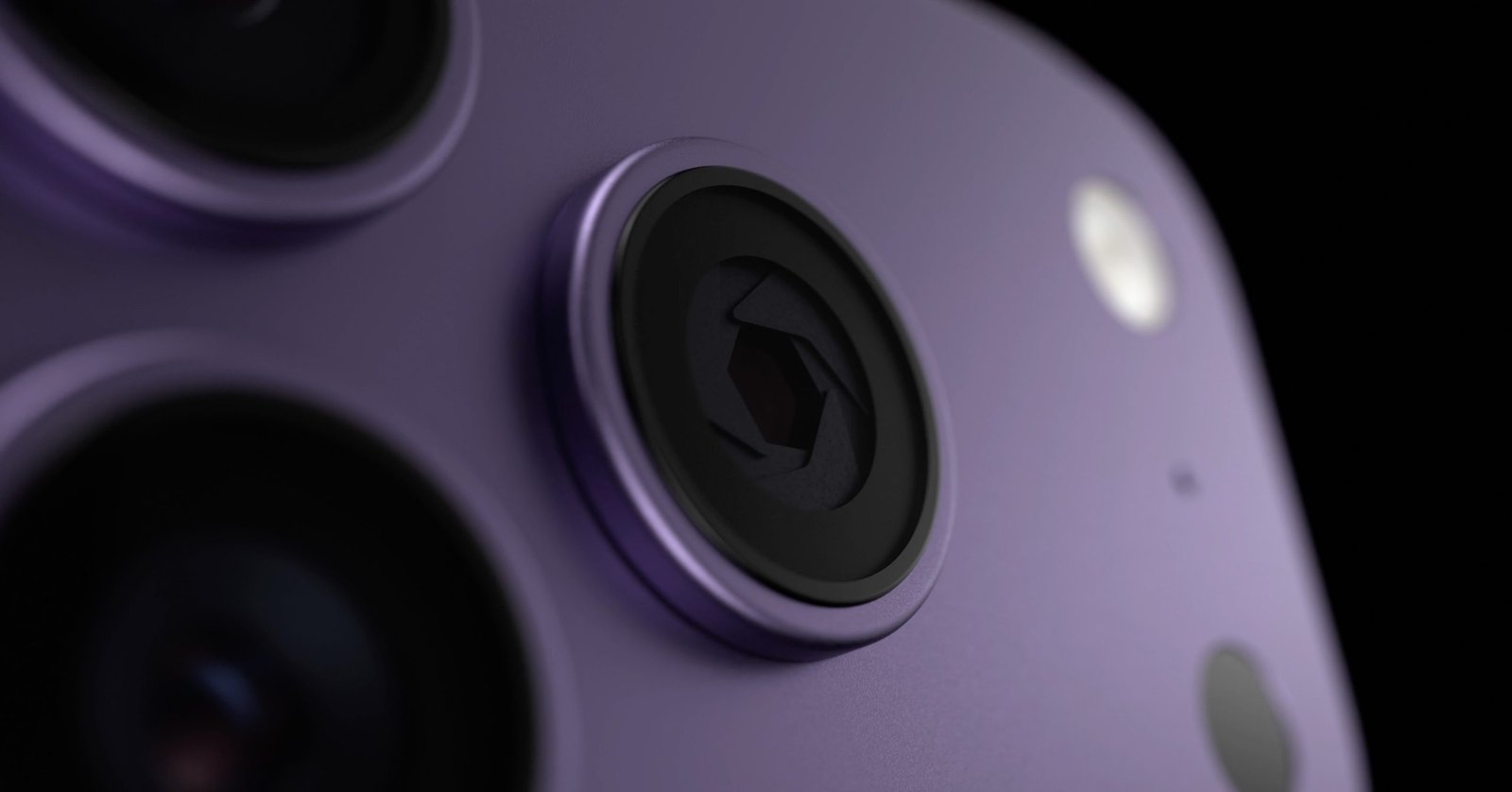
A mechanical variable aperture introduces movable physical blades (an iris) inside the lens barrel:
- Wide Open (f/1.4): Maximizes photon intake in low-light environments, reducing image noise and producing authentic optical background blur (bokeh) without relying on software portrait simulation.
- Stepped Down (f/2.8): Deepens the depth of field in bright daylight, maintaining edge-to-edge sharpness across landscapes, architectural shots, and multi-person group photos where all subjects need to remain in crisp focus.
- Shutter & Exposure Control: Provides physical light throttling during bright outdoor video capture, helping maintain cinematic shutter angles without requiring aggressive digital neutral-density filtering.
Why the Feature Could Be Exclusive to the Pro Max
While earlier supply-chain reports from Ming-Chi Kuo suggested variable aperture components from supplier Sunny Optical could span both the iPhone 18 Pro and Pro Max, newer reports point toward Pro Max exclusivity.
Two primary factors drive this potential divide:
- Component Z-Height and Chassis Space: Integrating physical motor actuators and aperture blades requires extra vertical clearance. Leaks indicate the iPhone 18 Pro Max features a slightly thicker chassis and a taller camera plateau, providing the internal volume necessary to house the moving mechanism without shrinking battery capacity.
- Bill-of-Materials Cost: Kuo noted that the precision variable aperture lens assembly is roughly 50% more expensive than standard 7P fixed lenses. Restricting the system to the $1,199+ Pro Max tier allows Apple to absorb component costs while preserving margins on the smaller $999 iPhone 18 Pro.
iPhone 18 Pro vs. iPhone 18 Pro Max: Camera Expectations
| Camera Feature | iPhone 18 Pro (Reported) | iPhone 18 Pro Max (Reported) |
| Primary Sensor Aperture | Fixed ƒ/1.78 Lens | Mechanical Variable (ƒ/1.4 – ƒ/2.8) |
| Optical Depth Control | Software-driven Portrait mode | True Optical Iris Adjustment |
| Low-Light Light Intake | Standard Pro baseline | Expanded at ƒ/1.4 setting |
| Telephoto Module | 5x Tetraprism Periscope | 5x Tetraprism Periscope |
| Chassis Profile | Standard slim profile | Slightly thicker body & camera bump |
The Return of Pro-Tier Differentiation
If Apple limits variable aperture technology to the Pro Max, it marks a return to the segmentation strategy used on the iPhone 12 Pro Max (sensor-shift stabilization) and the iPhone 15 Pro Max (5x tetraprism optical zoom), where the larger chassis served as the exclusive launchpad for Apple’s most demanding camera technologies before trickling down to standard Pro sizes in subsequent years.
What Happens Next
Apple will officially stream its keynote on Wednesday, September 9, 2026, at 10:00 AM PDT (10:30 PM IST). The presentation will confirm whether the variable aperture system is fully operational across the lineup or reserved solely as the flagship camera feature for the iPhone 18 Pro Max.
🚨 Stay Updated with TopKhoj! 🚨
Get the latest tech news, deals, and exclusive offers first!
📰 Visit News Section📲 Join our Telegram Channel for real-time updates and best deals!
🔗 Join Telegram Now💡 Stay informed and never miss a great deal with TopKhoj!
⚠️ Disclaimer: Any link provided in the article related to a product or service will redirect you to our affiliate partner(s)' website, which are affiliate links. This means that if you make a purchase through these links, we may earn a commission at no extra cost to you. This commission helps support our blog and our work.
🔔 All prices mentioned above are subject to change based on current offers and availability on e-commerce platforms. Please check the latest price and product details on the product page before making a purchase.