Add TOPKHOJ as a Preferred Source on Google
For over three decades, traditional Lithium-Ion (Li-Ion) batteries featuring graphite anodes served as the universal power standard for mobile phones. However, as modern smartphones incorporate brighter high-refresh-rate displays, power-hungry 5G modems, and complex artificial intelligence processing, traditional Li-Ion chemistry has reached its physical limits for energy storage density.
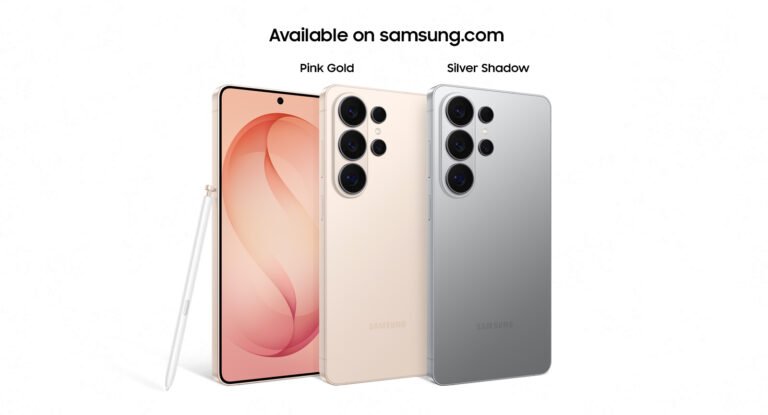
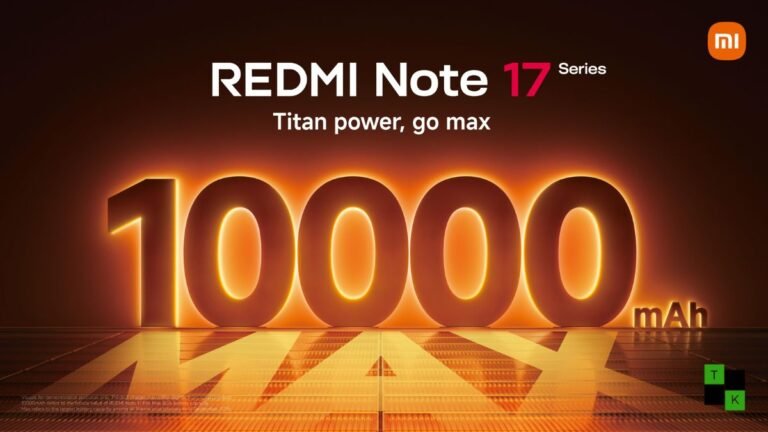
To overcome this capacity wall without making devices heavier or thicker, hardware manufacturers-including Samsung (Samsung Hints at Silicon-Carbon Battery Expansion Following Galaxy Z Fold 8 Debut), Honor, Xiaomi, and Vivo-are actively transitioning to Silicon-Carbon (Si-C) battery technology. By replacing or blending traditional graphite anodes with a silicon-carbon composite, Si-C cells deliver significant increases in energy density.
Understanding how Si-C chemistry operates compared to legacy Li-Ion cells, how it positively and negatively impacts daily smartphone usage, and how it influences device retail pricing provides clear insight into the next generation of mobile hardware.
Technical Fundamentals: How They Work
To understand the difference between the two battery platforms, it helps to analyze the internal chemical structure of the anode.
  TRADITIONAL GRAPHITE ANODE (Li-Ion)            SILICON-CARBON COMPOSITE ANODE (Si-C)
 ┌────────────────────────────────────┐         ┌────────────────────────────────────┐
 │  Carbon Layers (Graphene Matrix)   │         │    Carbon Matrix (Buffer Layer)    │
 │  [Li+] ──> Intercalates slowly     │         │  ┌───────┐  ┌───────┐  ┌───────┐   │
 │  Storage ratio: 1 Li to 6 Carbon   │         │  │Silicon│  │Silicon│  │Silicon│   │
 │  (Theoretical max: 372 mAh/g)      │         │  └───────┘  └───────┘  └───────┘   │
 └────────────────────────────────────┘         │  High-density binding: 15 Li per   │
                                                │  4 Silicon atoms (4,200 mAh/g max) │
                                                └────────────────────────────────────┘
Traditional Lithium-Ion (Graphite Anode)
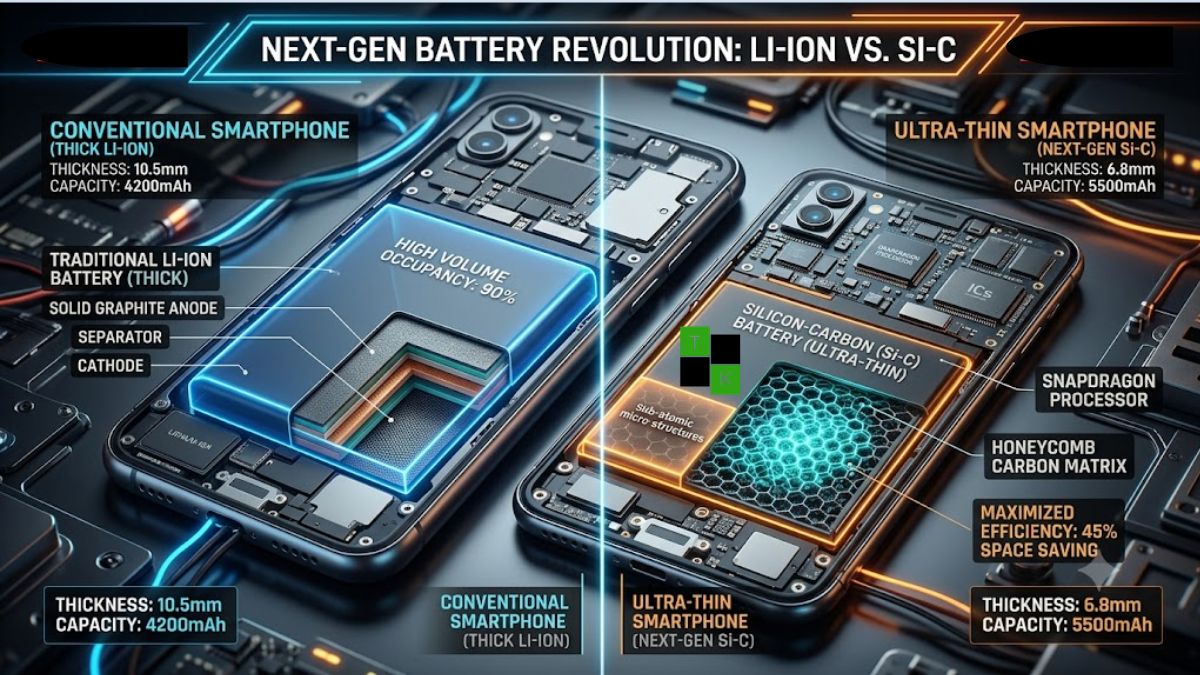
A standard Li-Ion battery relies on a graphite-based negative anode. During charging, lithium ions migrate from the cathode through an electrolyte and insert themselves into the layered graphite matrix. At the atomic level, it requires 6 carbon atoms to bind a single lithium ion (LiC6). This chemistry imposes a strict theoretical cap on the anode’s specific capacity, limiting graphite to approximately 372 mAh/g.
Silicon-Carbon (Si-C Composite Anode)
Silicon-Carbon batteries utilize a silicon-carbon composite matrix at the anode. Silicon offers a significantly higher binding capacity for lithium ions. At maximum saturation, 4 silicon atoms hold up to 15 lithium ions (Li₁₅Si₄), unlocking a theoretical capacity of up to 4,200 mAh/g for pure silicon-more than ten times that of pure graphite.
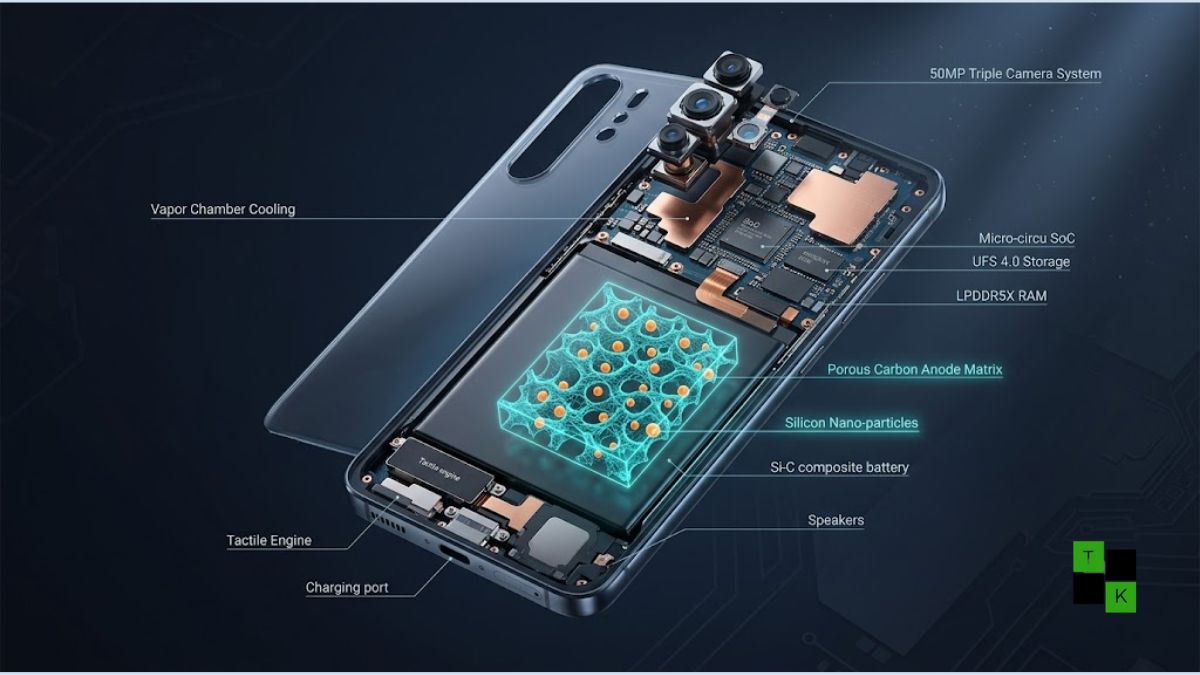
Because pure silicon swells up to 300 percent when absorbing lithium ions-which causes structural cracking-engineers encase nano-sized silicon particles within a porous carbon framework. The carbon shell buffers the mechanical stress during charging, enabling high energy storage while keeping the cell structurally intact.
Detailed Technical Comparison Table
| Technical Parameter | Traditional Lithium-Ion (Graphite Anode) | Silicon-Carbon (Si-C Composite Anode) |
| Anode Material | Pure Graphite / Graphene layers | Silicon + Carbon porous composite |
| Anode Theoretical Capacity | ~372 mAh/g | ~4,200 mAh/g (Pure Si) / ~60-1,500+ mAh/g (Si-C blend) |
| Volumetric Energy Density | ~600-700 Wh/L | ~800-1,000+ Wh/L (20% to 40%+ increase) |
| Internal Electrical Resistance | Moderate (generates heat under high current) | Low (enables direct high-current flow) |
| Physical Expansion Rate | Minimal (<10% volume change) | Higher expansion (managed via carbon buffers) |
| Fast Charging Potential | Moderate (often requires dual-cell splitting) | High (supports 80W+ fast charging natively) |
| Manufacturing Maturity | Established, low-cost supply chain | Advanced cleanroom & vapor deposition required |
| Production Cost | Low baseline standard | Currently 15% to 30% manufacturing premium |
Positive and Negative Impacts on a Smartphone
Implementing Silicon-Carbon batteries fundamentally alters both physical phone design and user experience.
1. Positive Impacts (User Experience & Design Advantages)
- Longer Multi-Day Battery Life: Because Si-C composite anodes store significantly more energy per volume, smartphones can pack 6,000mAh to 7,500mAh batteries into bodies that previously capped out at 5,000mAh. This delivers genuine multi-day endurance under heavy workloads.
- Ultra-Thin and Lightweight Form Factors: Manufacturers are no longer forced to choose between a slim phone and long battery life. Foldable smartphones (like clamshells and book-style foldables) benefit directly by reducing chassis thickness under 8mm while increasing internal cell capacity.
- Native High-Speed Fast Charging: Low internal electrical resistance allows Si-C cells to accept 80W to 120W fast charging speeds safely on single-cell configurations. Users experience faster top-ups with less resistive heat generation during rapid charging sessions.
- Superior Cold-Weather Performance: Traditional graphite batteries drop efficiency sharply in freezing temperatures as lithium ions struggle to move through cold carbon layers. The porous Si-C structure allows lithium ions to transfer more freely, retaining 60% to 80% capacity even at sub-zero temperatures.
  VISUAL IMPACT: SAME PHYSICAL CHASSIS THICKNESS
  ┌───────────────────────────┐    ┌───────────────────────────┐
  │  Standard Li-Ion Cell     │    │  Silicon-Carbon Cell      │
  │  Capacity: 5,000 mAh      │ vs │  Capacity: 6,500+ mAh     │
  │  Thickness: 8.0 mm        │    │  Thickness: 8.0 mm        │
  └───────────────────────────┘    └───────────────────────────┘
2. Negative Impacts (Engineering Challenges & Limitations)
- Risk of Internal Physical Swelling: Silicon physically expands up to 300% when absorbing lithium ions during a charge cycle. While the carbon matrix absorbs most of this stress, phone manufacturers must leave micro-clearance buffers inside the phone frame to prevent internal pressure against displays or glass back panels.
- Accelerated Capacity Degradation if Unmanaged: Unbuffered silicon can crack over repeated charge cycles, exposing fresh silicon surfaces that consume active lithium ions to form a Solid Electrolyte Interphase (SEI) layer. If a manufacturer uses a low-quality silicon blend, long-term battery cycle health can degrade faster than standard Li-Ion cells.
- Strict Thermal & Charging Safeguards Required: Managing high energy density requires sophisticated thermal sensors and customized Battery Management Systems (BMS) to monitor voltage curves, preventing thermal runaway during intense processing loads.
Smartphone Cost Analysis: How Si-C Technology Affects Pricing
Transitioning from traditional Lithium-Ion to Silicon-Carbon batteries directly affects component procurement costs, assembly line investments, and retail price tags.
                      SMARTPHONE COST & PRICING STRUCTURE
  ┌──────────────────────────────────────────────────────────────────────────┐
  │  Raw Nano-Silicon Synthesis  ──>  Chemical Vapor Deposition (CVD)        │
  │  Advanced Pre-Lithiation     ──>  3D Vapor Chamber Thermal Buffers       │
  └──────────────────────────────────────────────────────────────────────────┘
                                      │
                                      ▼
             Cost Impact: +15% to +30% Higher Battery Component Cost
             Retail Impact: $15–$50 Price Premium (Passed to Premium Tier)
1. Higher Raw Material and Processing Costs
Producing Si-C composite anodes is significantly more complex than refining graphite. It requires synthesizing nano-scale silicon particles, encapsulating them inside carbon shells via Chemical Vapor Deposition (CVD), and applying pre-lithiation treatments to compensate for initial lithium loss during the first charge cycle. These extra processing steps make Si-C battery cells 15% to 30% more expensive to manufacture than equivalent Li-Ion cells.
2. Thermal and Structural Engineering Expenses
Because Si-C batteries require precise expansion buffers and advanced thermal management, phone designers must implement larger 3D vapor-chamber cooling plates and reinforced battery bays inside the chassis. These specialized internal brackets add incremental hardware costs per device.
3. Retail Price Impact on Flagships vs. Budget Devices
- Flagships & Foldables ($800-$1,800+): Premium devices easily absorb the $15 to $50 bill-of-materials (BOM) cost increase. The added value of multi-day battery life in an ultra-slim or foldable design easily justifies the price tag for high-end consumers.
- Mid-Range & Budget Phones ($200-$400): In cost-sensitive market segments, absorbing a higher battery cost is challenging. Mid-range phones adopting Si-C batteries (such as select performance-focused devices) often compromise on secondary areas-using plastic frames or secondary camera sensors-to keep total retail pricing competitive.
As manufacturing volume scales globally across 2026 and beyond, component costs are expected to decline, enabling Si-C chemistry to progressively replace legacy Li-Ion cells across mass-market smartphones.
Conclusion
The shift from traditional Lithium-Ion to Silicon-Carbon (Si-C) battery technology represents an evolutionary leap in mobile energy storage. By overcoming the strict capacity caps of graphite anodes, Si-C technology delivers longer battery endurance, native fast charging, superior cold-weather resilience, and ultra-thin phone designs.
While higher manufacturing costs and physical expansion management remain active engineering considerations, the user advantages far outweigh the trade-offs. As production yields normalize, Silicon-Carbon batteries are set to become the standard power source across all consumer electronics.
🚨 Stay Updated with TopKhoj! 🚨
Get the latest tech news, deals, and exclusive offers first!
📰 Visit News Section📲 Join our Telegram Channel for real-time updates and best deals!
🔗 Join Telegram Now💡 Stay informed and never miss a great deal with TopKhoj!
⚠️ Disclaimer: Any link provided in the article related to a product or service will redirect you to our affiliate partner(s)' website, which are affiliate links. This means that if you make a purchase through these links, we may earn a commission at no extra cost to you. This commission helps support our blog and our work.
🔔 All prices mentioned above are subject to change based on current offers and availability on e-commerce platforms. Please check the latest price and product details on the product page before making a purchase.