Add TOPKHOJ as a Preferred Source on Google
For years, buying a Redmi K-series phone meant accepting an unwritten contract: you got blistering flagship-grade silicon at half the price of a Samsung or Apple device, but you had to live with an industrial design that looked like it belonged in an esports tournament lounge. Giant camera visors, aggressive plastic bevels, and bulky frames were simply part of the deal. With the first official look at the Redmi K100, Xiaomi is finally ripping up that contract.
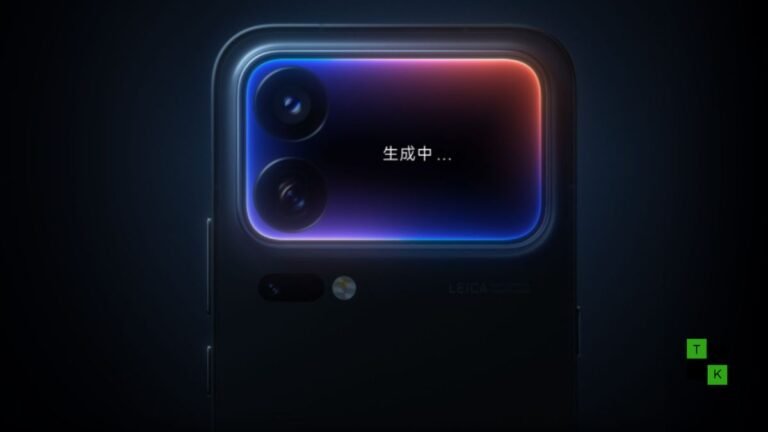
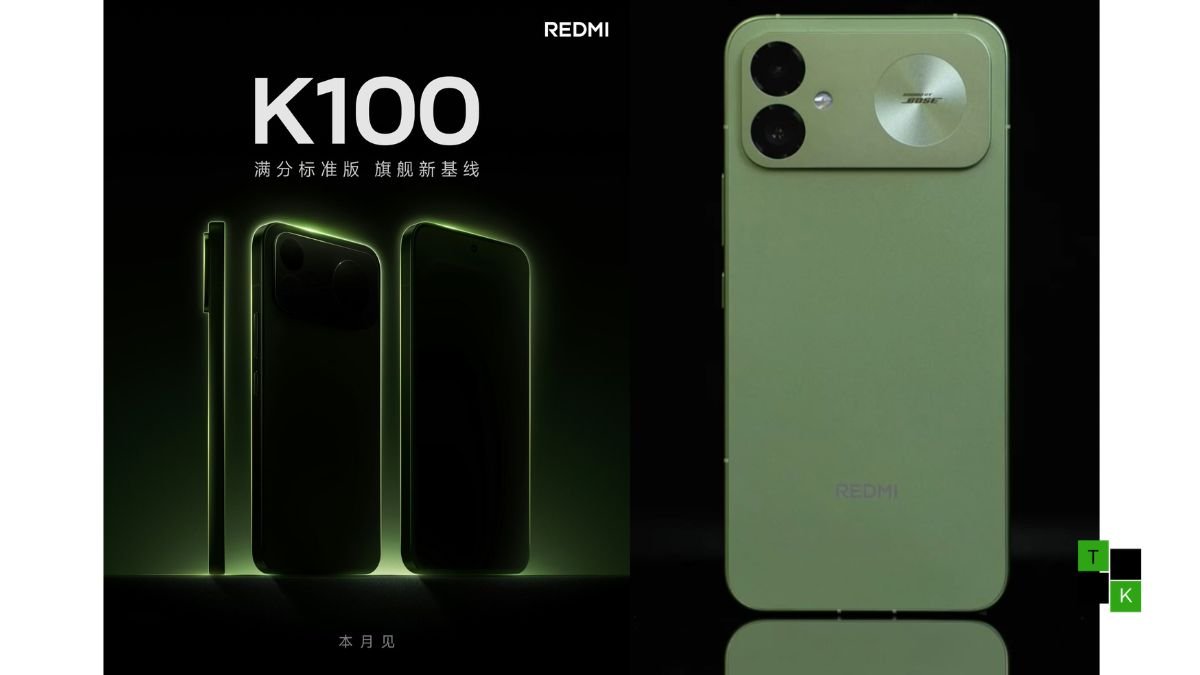
Official promotional imagery shared ahead of the phone’s late-October launch confirms that the K-series is receiving its most significant aesthetic overhaul in years. Out goes the cluttered, heavy-handed styling of the past; in comes a minimalist glass-and-metal slab featuring flat aluminum rails, ultra-narrow symmetrical bezels, and a compact squircle camera island that borrows heavily from the design language of Xiaomi’s mainstream flagship line.
Growing Up: The Death of the Ugly Camera Bump
The first thing that jumps out from the official renders is how much cleaner the rear panel looks.
Previous iterations like the K70 and K90 relied on massive, full-width glass islands that made the handsets notoriously top-heavy. The Redmi K100 shrinks that module down into a tidy, rounded rectangular island anchored in the top-left corner.
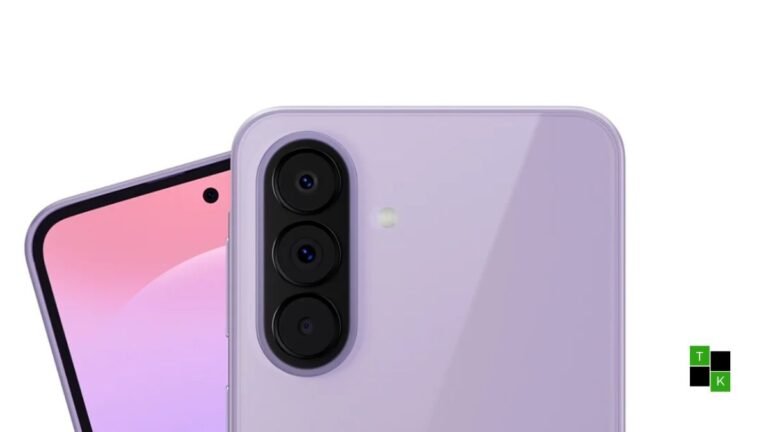
- The Standard vs. Pro Split: On the standard Redmi K100, Xiaomi has streamlined the camera island into a dual-lens array with an offset LED flash ring. By skipping decorative dummy lenses, the back looks intentional rather than overcrowded.
- The Distinct Red Power Accent: Taking a subtle cue from classic boutique tech hardware, the silver and white variants feature an anodized red power button set into the matte frame—a small ergonomic touch that gives the device some personality without screaming for attention.
- Ergonomics over Flash: The side rails are completely flat with soft micro-chamfers on the edges, designed specifically so your palms don’t dig into sharp corners when holding the phone horizontally for gaming.
The Hidden Trade-Off: Tracing Glass for Battery
Smartphone chassis space is a strict zero-sum equation. When a manufacturer shrinks a camera bump, they are usually cutting back on optical hardware to feed another priority. In the case of the Redmi K100, that priority is pure battery endurance.
Xiaomi President Lu Weibing has already tipped that the standard K100 will set an all-time battery capacity record for the REDMI K family. Supply-chain disclosures confirm Xiaomi is using next-generation silicon-carbon (Si/C) negative electrode chemistry, cramming a capacity between 8,500mAh and 10,000mAh into a sub-8.5mm body.
By keeping the standard K100 to a streamlined dual-camera setup (a stabilized 50MP main sensor and an ultra-wide) instead of squeezing in a thick, heavy periscope zoom module, engineers freed up crucial internal volume. For mobile gamers and power users who care far more about playing Genshin Impact or streaming video for two days straight than taking 30x digital zoom photos of the moon, this is the exact trade-off that makes sense.
Colors That Belong in the Real World
The revealed color lineup also signals a shift toward a more mature buyer demographic:
- Cabernet Sauvignon Red: A deep, velvety wine-red finish that avoids the garish glossy red shades of budget gaming handsets.
- Light Green & Glacier White: Muted, satin-frosted finishes that diffuse light softly and repel oily fingerprints.
- Deep Obsidian Black: A stealthy, matte-black option tailored for users who just want a clean, no-nonsense daily driver.
Every variant appears to use an anti-glare (AG) matte glass backplate paired with a color-matched aerospace-grade aluminum frame, giving the phone a unibody feel that punches well above its expected sub-$500 price tag.
Redmi K100 vs. Previous K-Series: Design Evolution
| Hardware Dimension | Redmi K100 (New Official Design) | Previous Generation (K90/K80 Era) |
| Camera Module | Compact rounded squircle island | Oversized full-width rectangular visor |
| Frame Material | Flat aerospace-grade aluminum | Curved composite / plastic-bracket frame |
| Standard Rear Cameras | Streamlined Dual-Camera System | Triple-sensor array with macro lens |
| Chassis Ergonomics | Balanced center-of-gravity, sub-8.5mm | Top-heavy camera bump, awkward grip |
| Design Language | Minimalist flagship aesthetic | Aggressive e-sports / gamer styling |
| Battery Density | 8,500mAh–10,000mAh Silicon-Carbon | 5,500mAh–6,500mAh Graphite cell |
| Acoustic Hardware | Dual stereo speakers (Tuned by Bose) | Standard stereo dual speakers |
| Display Fascia | Flat OLED with razor-thin bezels | Flat OLED with noticeable plastic chin |
The Global Reality: What This Means for POCO Buyers
While this official look is targeted at China ahead of its late-October debut, global consumers have a direct stake in this release:
- The POCO F8 Blueprint: Xiaomi almost always uses the standard Redmi K-series model as the hardware foundation for its international POCO F-series. If historical launch cycles hold, what you are looking at today as the Redmi K100 will likely arrive in India and Europe in early 2027 rebadged as the POCO F8 (or F8 Pro).
- Sub-Flagship Price Pressure: Expected to retail in China starting around 3,500 CNY (translating to roughly ₹41,000 / $490), the K100’s combination of flagship silicon, Bose-tuned acoustics, and an enormous battery will put severe heat on competing mid-rangers like the OnePlus Ace 7 (OnePlus 16R) and iQOO Z12 Turbo.
Xiaomi has spent the last couple of years proving it can build brilliant hardware at the ultra-premium tier with its numbered flagships. With the Redmi K100, the company is finally bringing that same design discipline to the price-to-performance segment where it made its name.
🚨 Stay Updated with TopKhoj! 🚨
Get the latest tech news, deals, and exclusive offers first!
📰 Visit News Section📲 Join our Telegram Channel for real-time updates and best deals!
🔗 Join Telegram Now💡 Stay informed and never miss a great deal with TopKhoj!
⚠️ Disclaimer: Any link provided in the article related to a product or service will redirect you to our affiliate partner(s)' website, which are affiliate links. This means that if you make a purchase through these links, we may earn a commission at no extra cost to you. This commission helps support our blog and our work.
🔔 All prices mentioned above are subject to change based on current offers and availability on e-commerce platforms. Please check the latest price and product details on the product page before making a purchase.