Add TOPKHOJ as a Preferred Source on Google
Apple’s iPhone 18 series is not following the company’s traditional one-shot September launch pattern.
As of September 10, 2026, Apple has officially launched the iPhone 18 Pro and iPhone 18 Pro Max, while the standard iPhone 18 has been left out of the September event. Current reporting points to a second launch window in spring 2027 for the standard iPhone 18, alongside the rumored iPhone 18e and a possible second-generation iPhone Air.
That makes this year’s iPhone family unusually complicated.
There are now confirmed Pro models, a delayed standard model, rumored lower-cost models, and a separate foldable iPhone Duo that Apple also unveiled in September but does not officially carry the iPhone 18 name.
So rather than treating every leaked specification as fact, this guide separates what Apple has confirmed from what is currently rumored, while covering the major hardware, cameras, AI, display, battery, connectivity, software, pricing, India availability and the bigger change in Apple’s iPhone release strategy.
30-Second TL;DR
What Launched: iPhone 18 Pro and iPhone 18 Pro Max are official, with A20 Pro, variable-aperture cameras, improved battery life and a redesigned Dynamic Island.
What Is Delayed: The standard iPhone 18 is expected in spring 2027 rather than September 2026. Rumors also point to an iPhone 18e and possible iPhone Air 2 in the same general timeframe.
The Big Picture: Apple is splitting its iPhone launches into premium and lower-cost waves, while the new Pro models push harder into on-device AI, professional photography and sustained performance.
First, What Actually Happened to the iPhone 18 Launch?
For years, the September iPhone event meant one thing: a new standard iPhone and one or more Pro models arriving together.
Apple changed that formula in 2026.
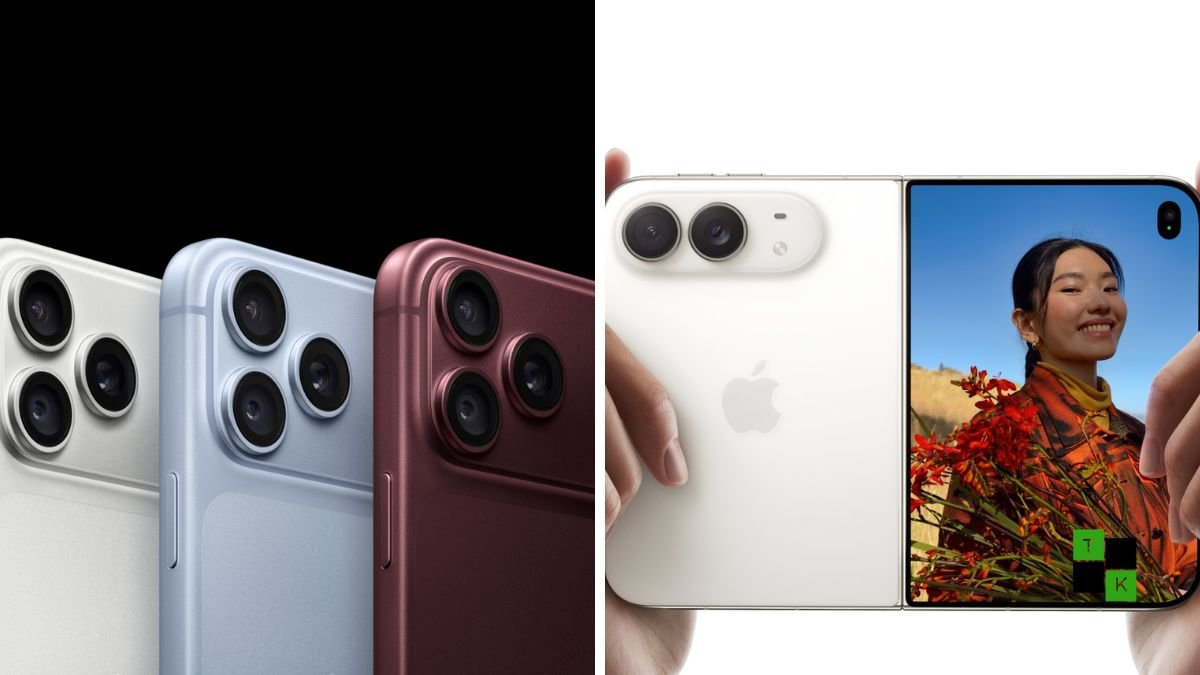
At its September 9 “Surprise and Shine” event, Apple launched the iPhone 18 Pro and iPhone 18 Pro Max, but did not announce the standard iPhone 18. The Verge reports that Apple is instead expected to bring the base model to market in spring 2027, potentially alongside the iPhone 18e and another generation of the thin iPhone Air.
The timing is significant because it creates two distinct iPhone launch periods.
Fall 2026
- iPhone 18 Pro
- iPhone 18 Pro Max
Spring 2027 – expected, not fully confirmed
- iPhone 18
- iPhone 18e
- Possible iPhone Air 2
The exact spring launch date for the lower-cost models has not been officially announced.
Reports have linked Apple’s decision to a combination of memory and component shortages, higher costs and a desire to emphasize its higher-margin premium phones first. Those are reported explanations rather than a fully detailed Apple statement about the scheduling decision.
That distinction is important: the release split is now real, but the exact reasons behind every part of Apple’s strategy remain partly interpretive.
iPhone 18 Pro and Pro Max Are the Confirmed Models
The iPhone 18 Pro and iPhone 18 Pro Max are official.
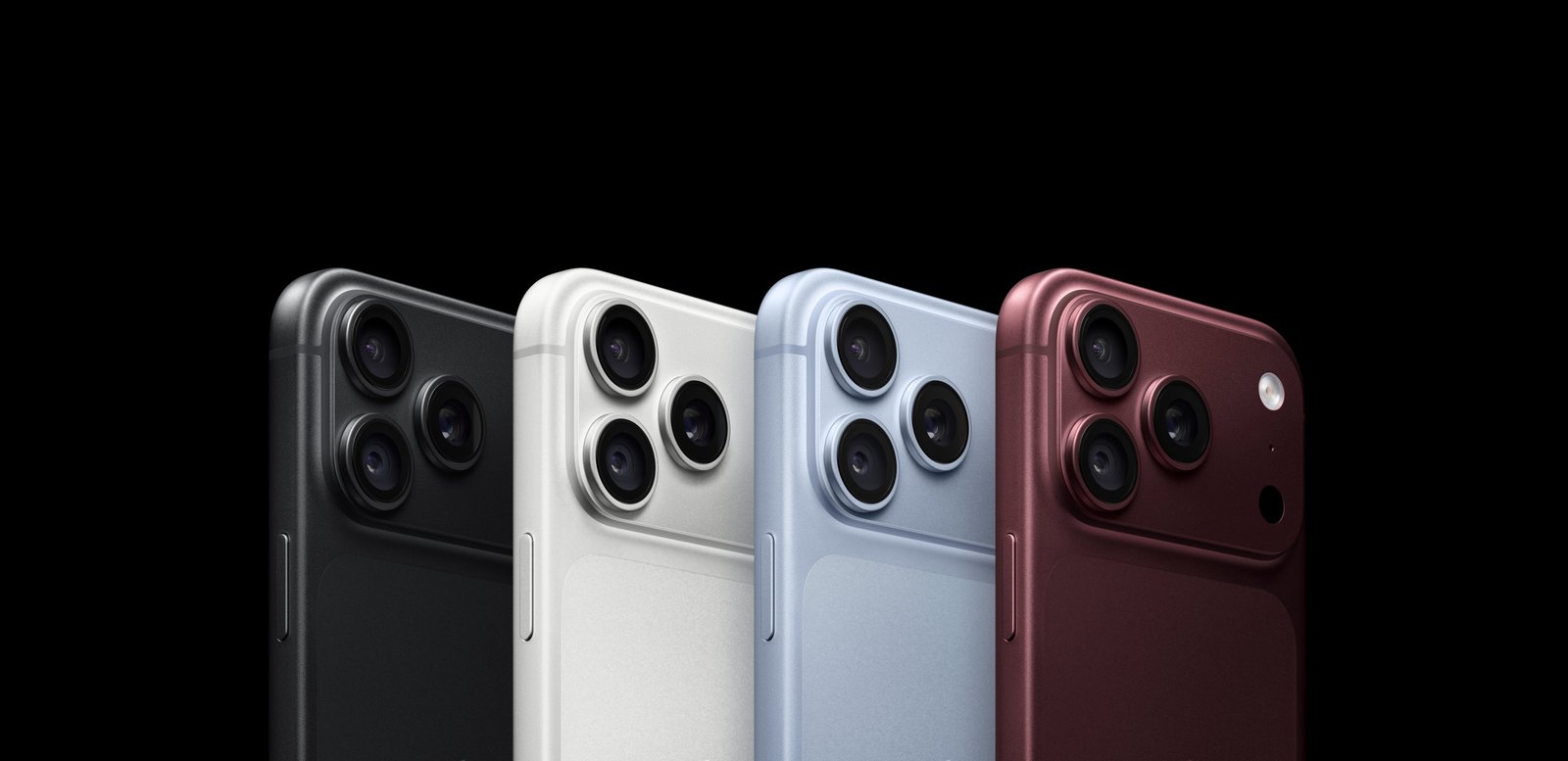
Both use Apple’s new A20 Pro chip, bring a redesigned variable-aperture 48MP main camera, use a smaller Dynamic Island, add a new Apple-designed C2 cellular modem and introduce a new generation of thermal hardware designed to sustain high performance for longer.
The two phones share most major features, with the Pro Max offering the larger display, larger dimensions, greater weight and longer battery life.
Both are available with:
- 256GB
- 512GB
- 1TB
- 2TB
Apple offers both models in black, silver, glacier and burgundy.
iPhone 18 Pro vs iPhone 18 Pro Max
| Feature | iPhone 18 Pro | iPhone 18 Pro Max |
|---|---|---|
| Display | 6.3-inch OLED | 6.9-inch OLED |
| Resolution | 2622 × 1206 | 2868 × 1320 |
| Refresh Rate | Up to 120Hz ProMotion | Up to 120Hz ProMotion |
| Processor | A20 Pro | A20 Pro |
| Rear Cameras | 48MP + 48MP + 48MP | 48MP + 48MP + 48MP |
| Main Camera | Variable aperture | Variable aperture |
| Storage | Up to 2TB | Up to 2TB |
| Weight | 211g | 249g |
| Thickness | 8.75mm | 8.75mm |
| Battery | Up to 34h video playback | Up to 43h in India specs |
| Colors | Black, Silver, Glacier, Burgundy | Black, Silver, Glacier, Burgundy |
Apple’s India technical specifications list up to 34 hours of video playback for the iPhone 18 Pro and 43 hours for the Pro Max, while Apple’s global launch material cites up to 36 and 45 hours respectively for eSIM-only variants in certain markets. The difference is tied to regional configurations and should not be treated as a contradiction.
Design: Familiar Shape, Significant Internal Changes
The iPhone 18 Pro and Pro Max do not abandon the basic iPhone design language.
They use an aluminium unibody design, with Ceramic Shield 2 on the front and a Ceramic Shield back. The Pro measures 150.0 × 71.9 × 8.75mm and weighs 211g, while the Pro Max measures 163.4 × 78.0 × 8.75mm and weighs 249g.
Apple has also redesigned the front display system.
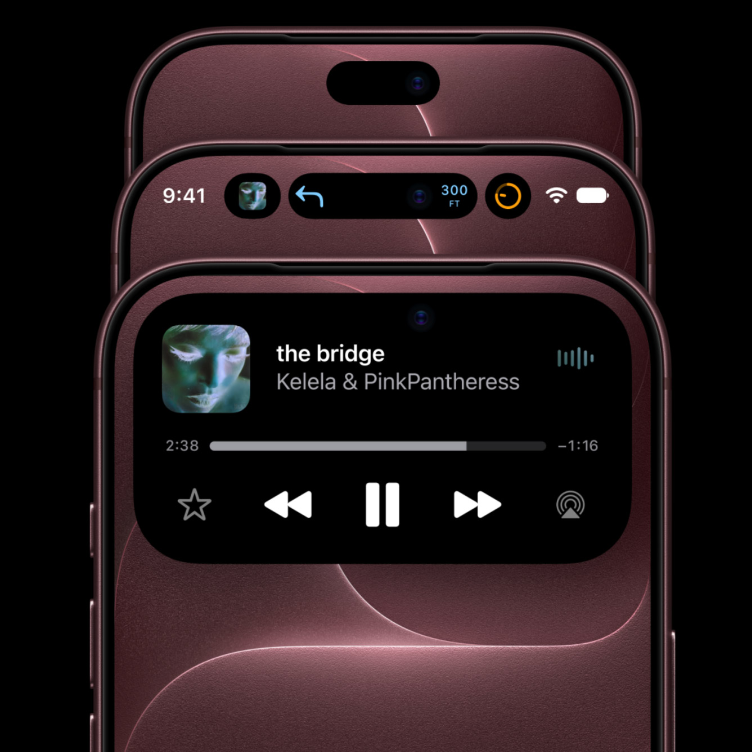
The Dynamic Island is smaller and can display up to three Live Activities simultaneously, while Face ID remains the biometric authentication system.
So this isn’t the long-rumored disappearance of Face ID. The confirmed iPhone 18 Pro models continue using it.
Both models also carry an IP68 rating, with Apple’s India specifications stating resistance to a maximum depth of 6 meters for up to 30 minutes under IEC 60529 testing conditions.
The Display Gets Better Without Chasing a New Size

The iPhone 18 Pro has a 6.3-inch all-screen OLED Super Retina XDR display, while the Pro Max increases that to 6.9 inches.
Both use:
- ProMotion up to 120Hz
- Always-On display
- HDR
- True Tone
- P3 wide color
- Haptic Touch
- 1-nit minimum brightness
- Up to 3,000 nits outdoor peak brightness
- Anti-reflective coating
The Pro has a 2622 × 1206 resolution at 460ppi, while the Pro Max uses 2868 × 1320 at the same pixel density.
The most interesting change isn’t simply brightness or refresh rate. Apple has redesigned the display system enough to make the Dynamic Island smaller while preserving the information it can present.
That suggests Apple is still moving toward a cleaner front-facing display, but it has not eliminated the Dynamic Island on these models.
A20 Pro Is Apple’s New Performance Engine

The biggest hardware upgrade inside the iPhone 18 Pro models is the A20 Pro.
Apple says the chip is built using a 2-nanometer process, has a six-core CPU, seven-core GPU and Dual 16-core Neural Engine. It also includes integrated Neural Accelerators and hardware-accelerated ray tracing.
Apple says the A20 Pro has:
- 50% more memory bandwidth than A19 Pro
- Up to 40% faster GPU performance than A19 Pro
- Double the AI processing power of A19 Pro through its 32-core Neural Engine design
These are Apple’s own comparisons.
They should therefore be understood as manufacturer performance claims, not independent benchmark results.
For ordinary users, the larger story is that Apple is building the A20 Pro around sustained AI workloads, graphics and long-duration performance rather than simply chasing short benchmark bursts.
The New Vapor Chamber Is a Big Deal
Apple has also changed how the Pro phones handle heat.
The new A20 Pro packaging places the silicon die beside memory and allows the processor to connect directly to a next-generation vapor chamber. Apple says the redesigned vapor chamber has three times the surface area of the previous generation and enables up to a 40% gain in sustained performance over the iPhone 17 Pro in its testing.
This is one of the less glamorous upgrades, but potentially one of the most important.
A phone can post an impressive peak performance result for a short period. The harder challenge is maintaining that performance during:
- long gaming sessions
- 4K/8K-class video workflows
- AI processing
- high-resolution photography
- sustained app workloads
Apple is clearly trying to address that second problem.
Independent testing will determine how much difference the new cooling system makes in actual use.
The Camera System Is the Biggest Creative Upgrade
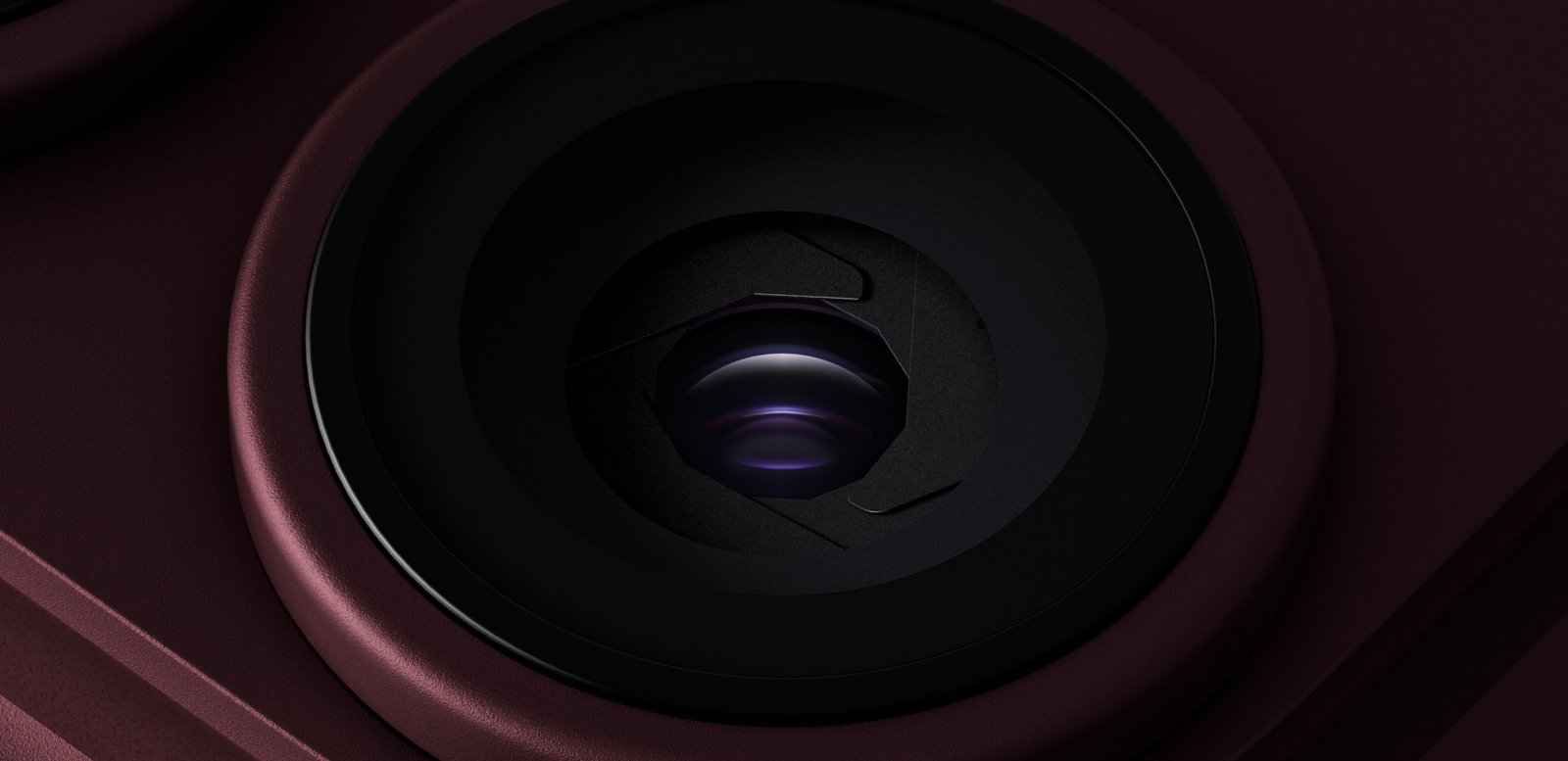
The iPhone 18 Pro and Pro Max introduce Apple’s first variable-aperture main camera.
The new system uses a 48MP Fusion Main camera with four aperture settings:
- ƒ/1.48
- ƒ/1.8
- ƒ/2.8
- ƒ/4.0
Six laser-cut blades and a new rotor mechanism physically adjust the aperture.
That matters because aperture affects both light gathering and depth of field.
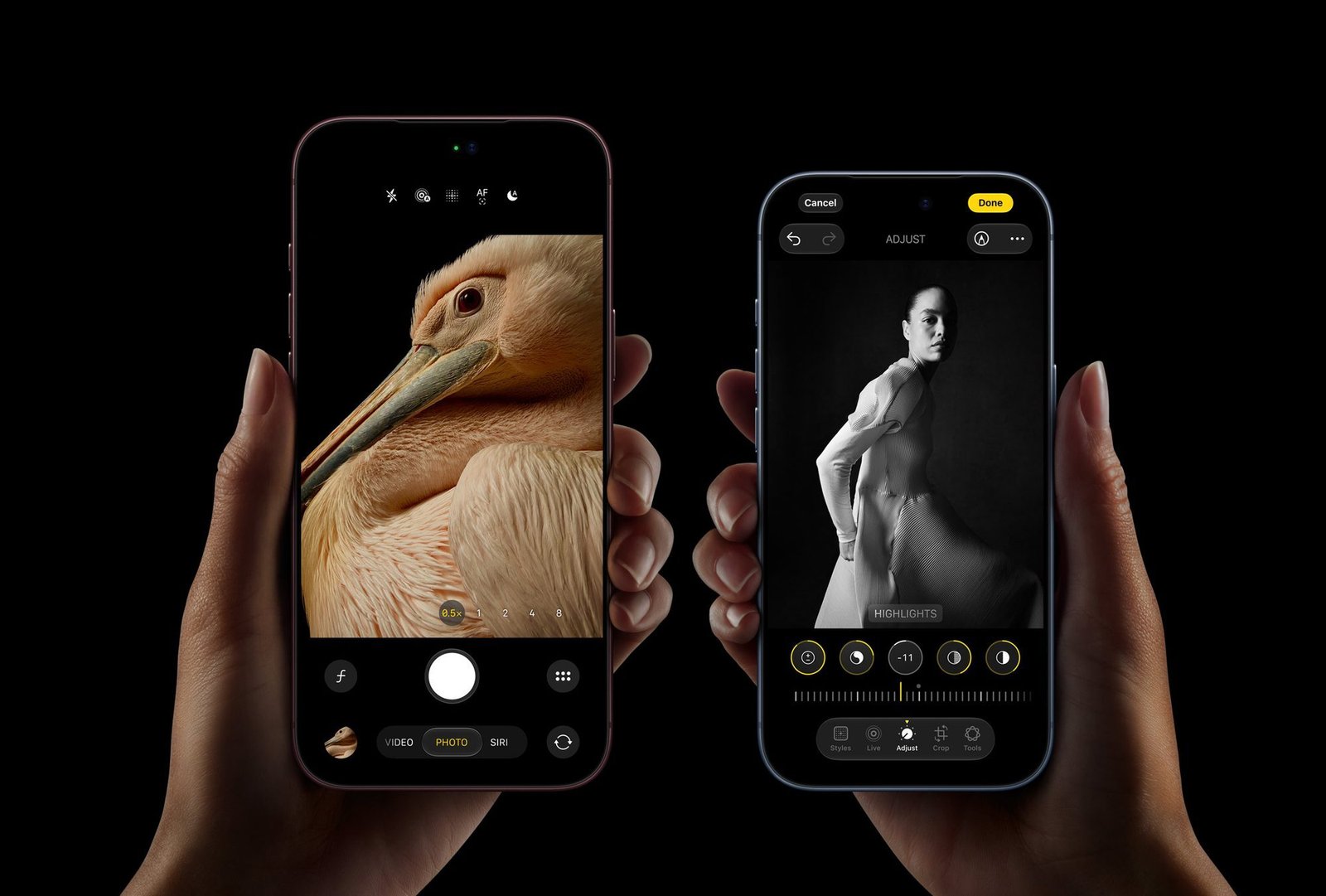
At ƒ/1.48, the camera can open wider in darker environments. At ƒ/4.0, it can keep more of a scene in focus, which Apple specifically highlights for group photos. The camera can also choose settings automatically depending on lighting and scene requirements.
This is fundamentally different from simply adding another computational photography effect.
There is actual mechanical aperture control in the main camera.
All Three Rear Cameras Are Now 48MP
Apple’s India technical specifications list:
48MP Fusion Main
- 24mm equivalent
- Variable aperture
- ƒ/1.48, ƒ/1.8, ƒ/2.8, ƒ/4.0
- Second-generation sensor-shift optical image stabilization
- 100% Focus Pixels
- 24MP and 48MP capture
The main camera also provides optical-quality 2x telephoto framing.
48MP Fusion Ultra Wide
- 13mm equivalent
- ƒ/2.2 aperture
- 120-degree field of view
- Macro photography
- 24MP and 48MP capture
48MP Fusion Telephoto
- 100mm equivalent at 4x
- 200mm optical-quality 8x framing
- ƒ/2.8 aperture
- Tetraprism design
- 3D sensor-shift stabilization and autofocus
Apple describes the system as offering 8x optical-quality zoom in, 2x optical zoom out and a 16x optical-quality zoom range, with digital zoom extending to 40x for still photography.
This is a substantial camera specification upgrade because Apple is no longer reserving a high-resolution sensor purely for the main camera.
Pro Controls Turn the Camera Into a More Serious Tool
Apple has also added Pro controls to the Camera app.
Users can manually adjust:
- Aperture
- Shutter speed
- White balance
- Exposure-related settings
- Histogram display
That makes the camera more flexible for enthusiasts and professional creators who want to control the image rather than always letting the automatic system decide.
Apple has also updated Photographic Styles with new texture and grain controls, giving photographers more control over the character of an image.
Apple Reference Image Is One of the Most Interesting New Features
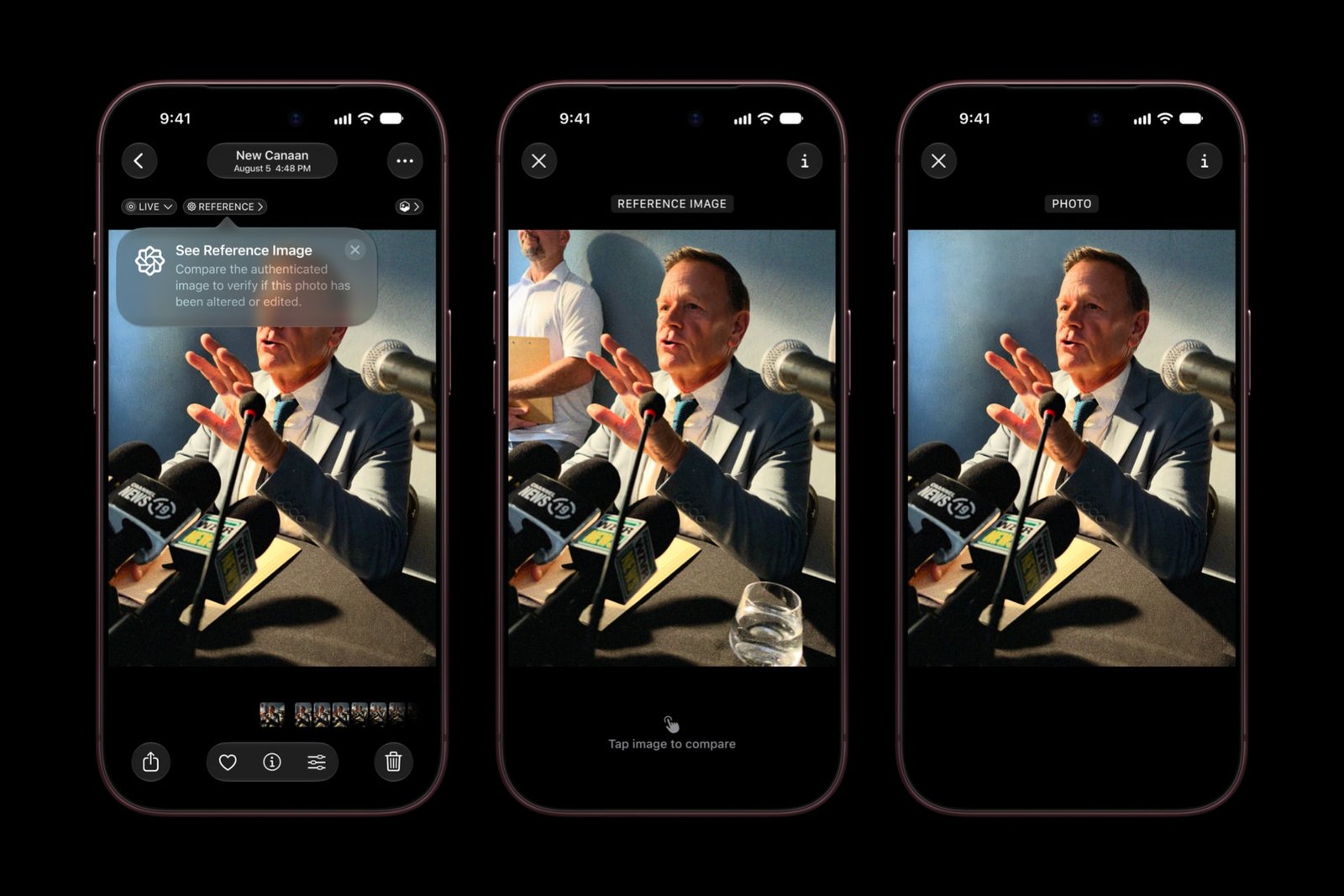
One of the more unusual iPhone 18 Pro additions is Apple Reference Image.
The main camera can capture signed sensor data, which Apple says can be developed through Private Cloud Compute into an unalterable reference image.
The idea is simple: the reference image provides a way to compare a photograph against what the camera sensor originally captured.
Apple says this could be particularly useful for:
- photojournalists
- photographers
- media organizations
- people checking whether an image was altered
Apple is also adding support for SynthID later this year to help identify AI-generated or AI-edited imagery.
This is notable because the iPhone camera is no longer just being treated as a photography tool. Apple is also turning it into a potential source-authentication tool.
Video Recording Is Extremely Pro-Oriented
The iPhone 18 Pro camera system supports a wide range of professional video formats.
Among the confirmed capabilities are:
- 4K Dolby Vision up to 120fps with the Fusion Main camera
- Cinematic mode up to 4K Dolby Vision at 60fps
- ProRes up to 4K at 120fps with external recording
- ProRes RAW
- Apple Log 2
- Academy Color Encoding System
- Genlock
- 4K Dolby Vision time-lapse
- 2.8K Action mode at 60fps
- Spatial video
- 4K Dolby Vision Dual Capture
- 1080p slow motion up to 240fps
The telephoto camera also gets 3D sensor-shift stabilization and autofocus for video.
The addition of Genlock is especially relevant to professional workflows because it allows precise synchronization between compatible video equipment.
For everyday users, most of this will be unnecessary.
For filmmakers and production teams, however, it is a very different story.
The Front Camera Moves to 18MP Center Stage
The front camera is now an 18MP Center Stage camera with:
- ƒ/1.9 aperture
- Autofocus
- Focus Pixels
- Center Stage for photos
- Center Stage for video calls
- Dual Capture
- 4K Dolby Vision recording
- improved low-light 1080p video
- Pro controls
- Photographic Styles 3
Apple is also allowing users to tap to zoom and rotate the front-camera framing.
That makes the front camera much more flexible for video calls and content creation than a simple selfie camera.
iPhone 18 Pro Gets a New C2 Modem
Apple is finally moving deeper into its own cellular hardware.
The iPhone 18 Pro models use the Apple C2 cellular modem system, while both models use Apple’s N1 wireless networking chip.
The N1 enables:
- Wi-Fi 7
- Bluetooth 6
- Thread
The C2 modem supports 5G and provides what Apple describes as AI-powered improvements to cellular quality and reliability.
Apple says C2 provides meaningfully faster upload performance compared with C1X while using 15% less energy, and adds mmWave support in the United States.
This is strategically important because Apple is reducing its dependence on third-party modem hardware.
Connectivity Goes Beyond 5G
The iPhone 18 Pro and Pro Max also include:
- Wi-Fi 7
- Bluetooth 6
- Thread
- second-generation Ultra Wideband
- NFC
- Express Cards with power reserve
- USB-C
- USB 3 transfer speeds up to 10Gbps
- DisplayPort over USB-C
Apple’s India technical specifications also list NavIC alongside GPS, GLONASS, Galileo, QZSS and BeiDou support.
For physical charging and wireless accessories, the phones support MagSafe up to 25W and Qi2 up to 25W.
Battery Life Is One of the Biggest Improvements
Apple is making unusually strong battery claims this generation.
For the iPhone 18 Pro, Apple lists up to 34 hours of video playback in India’s specification sheet.
The Pro Max reaches up to 43 hours on Apple’s India specifications, making it the better choice for users who prioritize endurance.
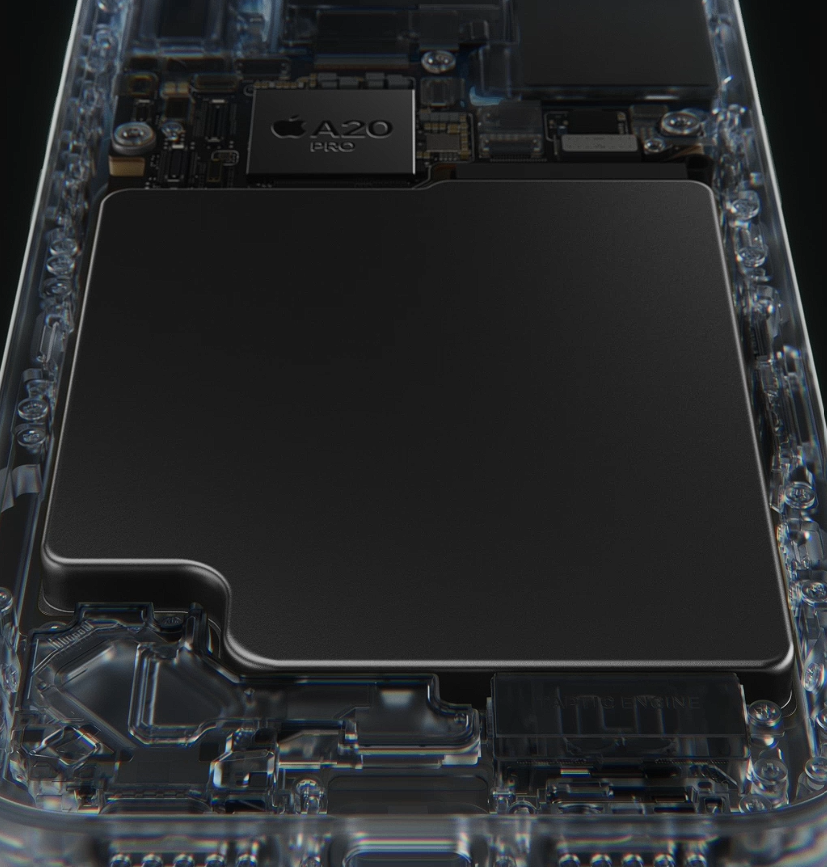
Apple’s global announcement cites up to 36 and 45 hours respectively for eSIM-only variants in certain markets, where the absence of a physical SIM slot creates additional battery capacity.
Charging also gets faster.
Apple says the Pro models can reach up to:
- 50% charge in around 15 minutes using a 60W-capable adapter or higher
- 50% in around 30 minutes using a 35W-or-higher adapter with MagSafe
Those adapters are sold separately.
eSIM Is Still Regional, Not Universal on Every Model
This is one detail readers should not overlook.
Apple’s technical specifications for India list:
- Dual SIM using nano-SIM and eSIM
- Dual eSIM support
Meanwhile, eSIM-only Pro models are offered in selected markets such as the US, Canada, Japan, UAE and several Gulf countries. Apple says those eSIM-only versions gain additional battery capacity.
So buyers should not assume that every iPhone 18 Pro sold globally has exactly the same SIM configuration.
iOS 27 Is a Major Part of the Upgrade

The iPhone 18 Pro launches with iOS 27, which Apple is using to bring the next generation of Apple Intelligence to the phone.
The headline software feature is Siri AI, which Apple says can use personal context, understand what’s on screen, interact more deeply with apps and answer questions across a wider range of tasks.
Other AI and software additions include:
- Spatial Reframing
- Extend
- upgraded Clean Up
- photorealistic Image Playground output
- Notify Me in Safari
- improved Photographic Styles
- more personalized Siri interactions
- iPhone Handoff
Apple says Apple Intelligence combines on-device processing with Private Cloud Compute.
Siri AI Is Not Available Everywhere at Launch
There is an important regional limitation.
Apple says Siri AI initially rolls out in English, with French, Japanese, Korean, Portuguese and Spanish support coming in October.
Apple also says Siri AI will not initially be available in the EU on iOS, while some Apple Intelligence functions vary by language and region.
That means the software feature list should not be treated as universally identical across all countries.
Satellite Connectivity Continues
The iPhone 18 Pro and Pro Max continue Apple’s satellite features for situations where cellular and Wi-Fi coverage are unavailable.
Apple is also extending free satellite access for certain existing iPhone 14, iPhone 15 and iPhone 16 users in supported markets under specific eligibility conditions.
Feature availability still depends on geography and local regulations.
Environmental Details Matter Too
Apple says the iPhone 18 Pro and Pro Max contain 40% recycled content overall.
The company specifically says that includes:
- 100% recycled cobalt in the battery
- 85% recycled aluminum in the enclosure
- manufacturing with 50% renewable energy across the supply chain
- fiber-based paper packaging
These are Apple’s environmental disclosures.
iPhone 18 Pro and Pro Max Storage Options
Storage is unusually generous at the top end.
Both models are available in:
| Storage | iPhone 18 Pro | iPhone 18 Pro Max |
|---|---|---|
| 256GB | Yes | Yes |
| 512GB | Yes | Yes |
| 1TB | Yes | Yes |
| 2TB | Yes | Yes |
That makes the 2TB models particularly interesting for users recording large amounts of ProRes or ProRes RAW footage.
However, larger storage comes with a major price premium.
iPhone 18 Pro and Pro Max Price in the US
Apple’s official US pricing starts at:
| Model | Starting Price |
|---|---|
| iPhone 18 Pro 256GB | $1,199 |
| iPhone 18 Pro Max 256GB | $1,299 |
Both models can be configured up to 2TB.
Apple is also offering trade-in credits and monthly financing options in the US.
iPhone 18 Pro Price in India
For Indian buyers, the official starting prices are:
| Model | India Starting Price |
|---|---|
| iPhone 18 Pro 256GB | ₹1,64,900 |
| iPhone 18 Pro Max 256GB | ₹1,79,900 |
Pre-orders begin at 5:30 PM IST on September 12, with availability starting September 18. Apple’s India store confirms the pre-order and availability dates, while Indian Express reports the starting prices and storage configurations.
Both models are available in India with the same four colors: black, silver, glacier and burgundy.
What About the Standard iPhone 18?
This is where confirmed information runs out and the rumor section begins.
Apple did not launch the standard iPhone 18 in September.
Current reports expect it in spring 2027. Macworld’s latest roundup says the rumored device may use a standard A20 chip, rather than A20 Pro, and could include more RAM than the current iPhone 17.
But the exact specifications remain unsettled.
Current rumors suggest possibilities including:
- 6.3-inch display
- A20 chip
- 9GB or 12GB RAM
- 24MP front camera
- dual 48MP rear cameras
- C2 modem
- Camera Control
- potentially 120Hz ProMotion
However, these details are not official. Even the expected RAM figure is disputed: analyst Ming-Chi Kuo has been reported as expecting 9GB, while other analysts predict 12GB.
So these specifications should not be published as final iPhone 18 specs.
What About the iPhone 18e?
The iPhone 18e is also expected to arrive around spring 2027, but Apple has not announced it.
Current rumor roundups suggest a possible:
- 6.1-inch display
- 60Hz refresh rate
- A20 chip
- approximately 9GB RAM
- single 48MP rear camera
- 12MP front camera
- C2 modem
Macworld also notes uncertainty about whether the 18e will retain the current notch or move to a Dynamic Island-style design.
Again, these are rumored specifications, not confirmed Apple hardware.
And What Happens to the iPhone Air?
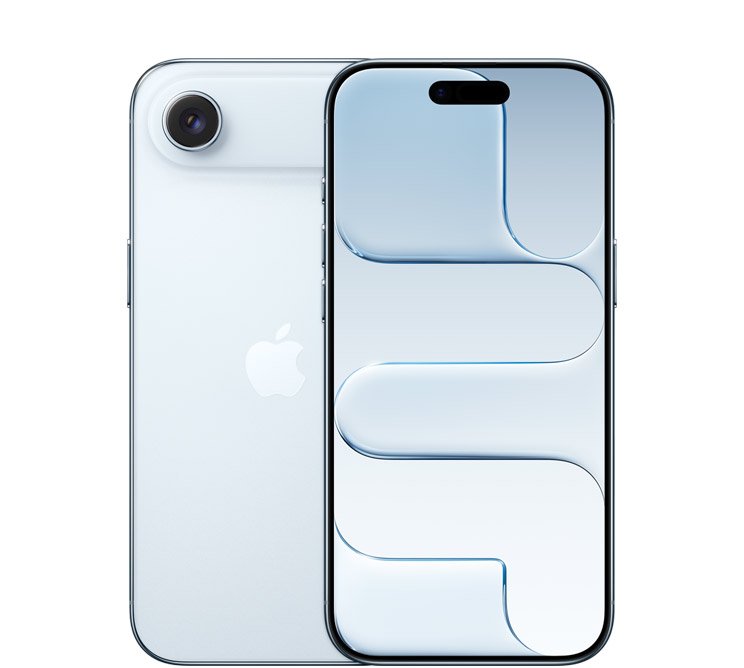
The iPhone Air is now part of Apple’s product strategy, but a second-generation version is still unconfirmed.
Rumors have pointed to an iPhone Air 2 arriving in spring 2027 alongside the delayed lower-cost iPhone 18 models.
Current speculation includes:
- similar ultra-thin design
- thinner OLED panel
- possible A20 Pro chip
- similar screen size
- possible second rear camera
- potential improvements to the battery and camera system
But the available reporting stresses that the specifications are preliminary, and even the exact positioning of Air 2 within Apple’s spring lineup remains uncertain.
One possibility is that Apple could use the Air line to fill the role that the standard iPhone once occupied in the premium-thin portion of the lineup. That is analysis, however-not an announced product strategy.
Read also: Apple May Replace Base iPhone 18 With iPhone Air 2 Next Spring
Is the iPhone Duo Part of the iPhone 18 Series?
Not officially.
Apple unveiled the iPhone Duo, its first foldable iPhone, at the same September event as the iPhone 18 Pro and Pro Max. But Apple markets it under the separate iPhone Duo name rather than calling it an iPhone 18 model.
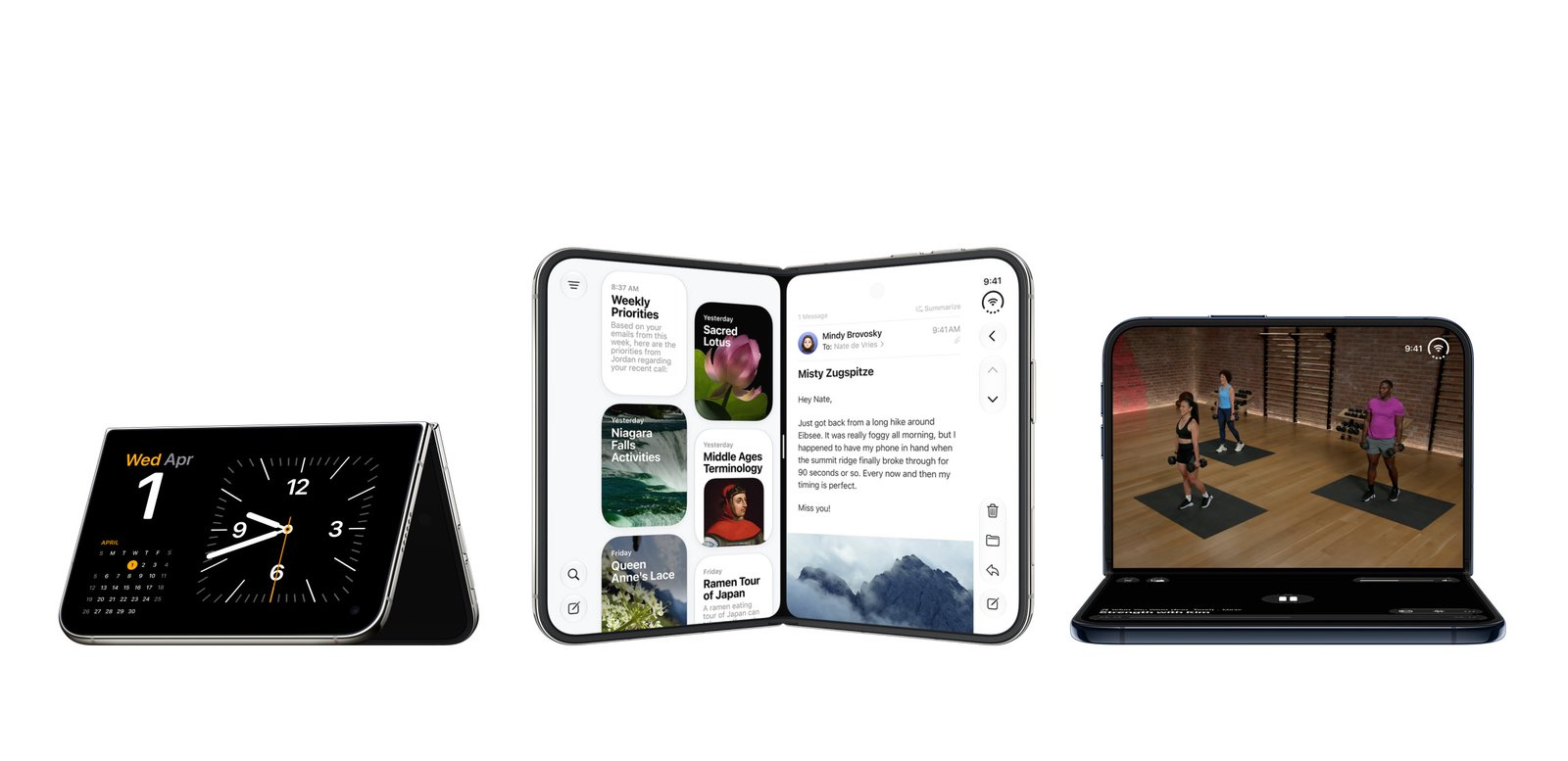
It is nevertheless relevant when discussing Apple’s 2026 iPhone strategy.
The Duo:
- starts at $1,999 in the US
- has a 7.6-inch inner display
- has a 5.4-inch outer display
- uses A20 Pro
- supports up to 2TB storage
- uses an Apple C2 modem
- has dual 48MP rear cameras
- is eSIM-only worldwide
- launches later than the iPhone 18 Pro models
Apple says US availability begins October 23, with pre-orders opening October 16.
In India, the announced starting price is ₹2,99,900, with pre-orders beginning October 16 and sales beginning October 23.
The reason to keep the Duo separate is simple: calling it part of the iPhone 18 series would blur Apple’s actual product naming.
iPhone 18 Series: Confirmed vs Rumored
This is the easiest way to understand the current state of the lineup.
Confirmed
iPhone 18 Pro
- 6.3-inch OLED
- A20 Pro
- 48MP variable-aperture main camera
- 48MP ultrawide
- 48MP telephoto
- 18MP Center Stage front camera
- Wi-Fi 7
- Bluetooth 6
- C2 modem
- up to 2TB
- iOS 27
- IP68
- ₹1,64,900 starting price in India
iPhone 18 Pro Max
- 6.9-inch OLED
- A20 Pro
- same 48MP triple-camera architecture
- larger battery
- up to 43 hours video playback on Apple’s India specifications
- up to 2TB
- ₹1,79,900 starting price in India
Expected / Rumored
iPhone 18
- Spring 2027
- A20
- potentially 9GB or 12GB RAM
- possible 6.3-inch display
- possible dual 48MP cameras
- possible 24MP front camera
- C2 modem rumored
iPhone 18e
- Spring 2027
- A20
- around 6.1 inches
- possibly 60Hz
- single rear camera expected
- C2 modem rumored
iPhone Air 2
- Spring 2027 expected
- ultra-thin design
- A20 Pro rumored
- possible second rear camera
- other hardware details highly uncertain
Why Is Apple Splitting the iPhone Launch?
The release strategy may turn out to be as important as the hardware.
Apple has dramatically expanded the iPhone lineup over the past few generations, and it now has several distinct products sitting between mainstream and ultra-premium price points.
At the same time, the global electronics industry is dealing with higher memory and storage costs, which have been linked to enormous AI-related demand. Reuters reports that Apple has raised prices across parts of its lineup and that India has seen particularly sharp increases.
Launching the premium iPhones first gives Apple an opportunity to emphasize higher-priced devices during the traditional September buying season.
Then, a spring launch can refresh the lower-priced portion of the lineup when there is otherwise less major iPhone activity.
That revenue-balancing argument has been raised by analysts, although Apple’s exact internal motivation has not been fully disclosed.
Is the iPhone 18 Pro a Big Upgrade Over the iPhone 17 Pro?
For existing iPhone 17 Pro owners, the upgrade is significant in some areas and more incremental in others.
The biggest upgrades are:
Camera
Variable aperture, three 48MP rear cameras, new Pro controls and Apple Reference Image represent substantial changes in camera capability.
Performance
A20 Pro, increased memory bandwidth, improved AI acceleration and the new vapor chamber are major internal changes.
Battery
Apple’s battery claims are substantially higher, particularly on the Pro Max.
Connectivity
The C2 modem and N1 wireless chip move more of the connectivity stack in-house.
The less dramatic areas:
- basic display sizes remain 6.3 and 6.9 inches
- the overall design remains familiar
- both still use Face ID
- the Pro lineup still revolves around the same basic three-camera concept
So this is not a total redesign.
It is more accurately described as a major internal and camera-focused upgrade wrapped in a familiar Pro design.
Which iPhone 18 Model Is the Most Interesting?
Right now, the answer depends on the buyer.
iPhone 18 Pro
The most balanced choice for someone who wants the latest technology without the largest phone.
iPhone 18 Pro Max
The model for buyers who care most about the largest display and longest battery life.
Standard iPhone 18
Potentially the most interesting model for mainstream buyers—but we still need official specifications and pricing.
iPhone 18e
Likely to be the value-focused option if Apple follows its current product strategy.
iPhone Air 2
Potentially the most design-focused choice, but its future remains more uncertain than the Pro models.
What We Still Don’t Know
Despite the large amount of information now available, several questions remain unanswered.
For the standard iPhone 18, Apple has not officially confirmed:
- final design
- price
- exact display specifications
- final RAM configuration
- camera hardware
- battery capacity
- launch date
The same is true for the iPhone 18e and Air 2.
There is also no official Apple confirmation that the spring 2027 lineup will necessarily contain all three models exactly as current leaks describe them.
That is why articles claiming to know the full final iPhone 18 lineup today should be treated carefully.
The Biggest Takeaway From the iPhone 18 Generation
The iPhone 18 generation is less about one revolutionary new phone and more about Apple changing the way it builds and sells the iPhone family.
The confirmed Pro models push the platform toward:
- more powerful local AI
- professional-grade camera controls
- variable aperture photography
- higher sustained performance
- Apple-designed connectivity hardware
- longer battery life
- better image-authenticity tools
At the same time, Apple has separated those premium launches from the mainstream iPhone 18, which is now expected later.
And then there is the iPhone Duo, Apple’s first foldable, sitting above the conventional lineup as a new ultra-premium category.
That means Apple’s phone lineup is becoming broader, more segmented and more expensive.
For consumers, that creates more choice-but also makes choosing the right iPhone considerably more complicated.
Final Verdict
The iPhone 18 Pro and iPhone 18 Pro Max are the real iPhone 18 story right now.
The variable-aperture 48MP main camera is probably the most tangible photography upgrade, while the A20 Pro, new vapor chamber and Apple-designed C2/N1 connectivity hardware give the phones a deeper internal overhaul. The jump in battery life is another meaningful improvement, particularly for the Pro Max.
But the bigger story may be Apple’s new release strategy.
The company has effectively split the iPhone 18 generation into premium phones now and mainstream phones later. The standard iPhone 18, 18e and possible Air 2 are still future products, and their leaked specifications should remain firmly in the rumor category until Apple announces them.
For Indian buyers, the immediate reality is straightforward: the iPhone 18 Pro starts at ₹1,64,900 and the Pro Max at ₹1,79,900, with pre-orders beginning September 12 and sales starting September 18.
The rest of the iPhone 18 family will have to wait.
And this time, Apple appears to be perfectly happy making customers wait.
🚨 Stay Updated with TopKhoj! 🚨
Get the latest tech news, deals, and exclusive offers first!
📰 Visit News Section📲 Join our Telegram Channel for real-time updates and best deals!
🔗 Join Telegram Now💡 Stay informed and never miss a great deal with TopKhoj!
⚠️ Disclaimer: Any link provided in the article related to a product or service will redirect you to our affiliate partner(s)' website, which are affiliate links. This means that if you make a purchase through these links, we may earn a commission at no extra cost to you. This commission helps support our blog and our work.
🔔 All prices mentioned above are subject to change based on current offers and availability on e-commerce platforms. Please check the latest price and product details on the product page before making a purchase.