Add TOPKHOJ on Google:
 Preferred Source
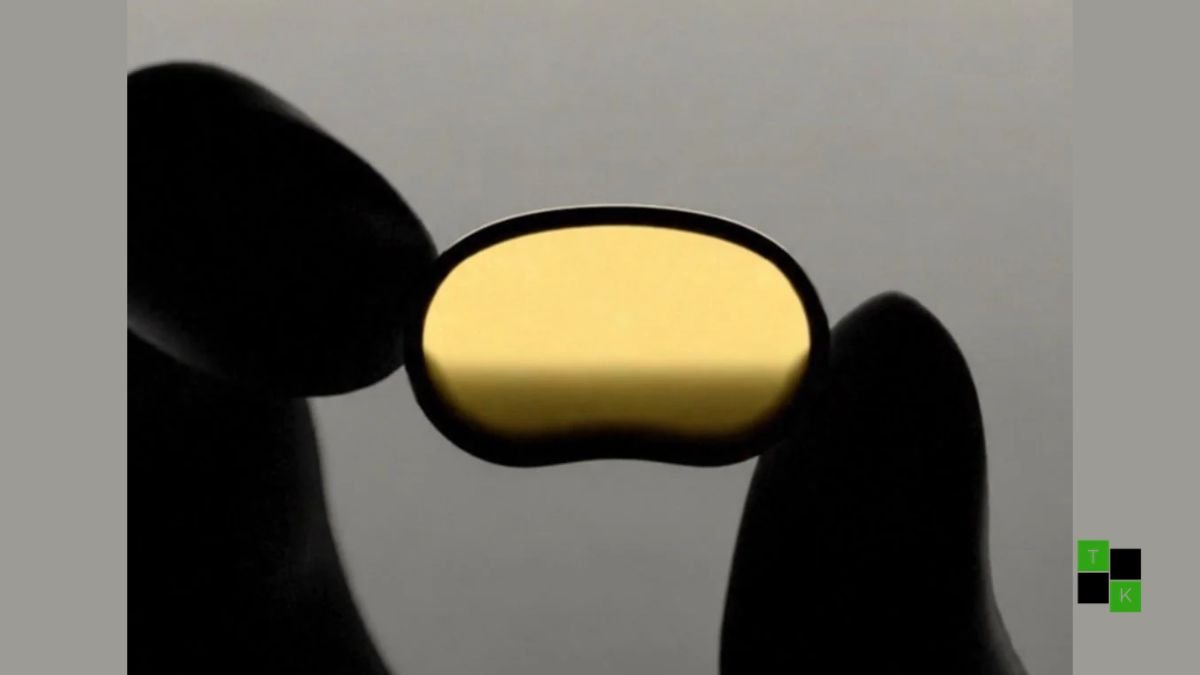
The consumer wearable sector has moved rapidly from basic step counts to blood oxygen sensors, continuous glucose monitors, and sleep apnea detection. Pushing deeper into bio-tracking, the Temple wellness wearable promises to monitor cerebral blood flow (CBF) directly from the user’s temple.
Pitching itself to biohackers and productivity enthusiasts, the device claims to detect mental fatigue, optimize focus sessions, and track brain oxygenation in real time.
However, a closer look at human vascular anatomy, regulatory filings, and independent clinical research reveals a wide gap between consumer marketing claims and medical reality.
Neurologists and vascular specialists point out that Temple monitors an external scalp artery rather than the primary blood supply feeding the brain.
Coupled with a lack of regulatory clearance from agencies like the US FDA or India’s CDSCO, the wearable’s physiological claims remain scientifically unproven.
Regulatory Reality: General Wellness vs. Certified Medical Device
The primary baseline for consumers is the device’s legal classification:
- No CDSCO or US FDA Approval: Temple has not received 510(k) clearance or De Novo medical device approval from the US Food and Drug Administration (FDA), nor does it hold certification from India’s Central Drugs Standard Control Organisation (CDSCO).
- The “General Wellness” Shield: By categorizing itself as a consumer lifestyle and wellness product rather than a clinical diagnostic device, the manufacturer avoids the rigorous randomized clinical trials (RCTs) required of regulated medical hardware.
- Non-Diagnostic Nature: Software disclaimers state the device is not intended to diagnose, treat, cure, or prevent any neurological disease, stroke, or cognitive impairment.
Anatomical Scrutiny: Scalp Arteries vs. Brain Blood Supply
The central scientific dispute surrounding Temple involves the vascular target of its optical sensors:
- Superficial Temporal Artery Target: Temple places photoplethysmography (PPG) sensors along the user’s temporal bone, over the superficial temporal artery.
- External vs. Internal Carotid Networks: The superficial temporal artery is a terminal branch of the external carotid artery. Its biological function is to deliver oxygenated blood to the scalp, facial muscles, and skin-not the cerebral cortex.
- The True Cerebral Supply: Brain parenchyma receives its blood supply through the internal carotid arteries and the vertebral basilar system, which travel deep beneath the skull through the Circle of Willis.
- Autonomic Confounding: Scalp blood flow fluctuates based on ambient temperature, facial muscle tension, sweating, and peripheral vascular dilation. Changes measured at the scalp do not directly mirror microvascular blood flow shifts inside the brain’s cognitive centers.
The Evidence Gap: Company Preprints vs. Peer-Reviewed Science
Beyond the anatomical hurdles, researchers raise flags regarding Temple’s published data:
- Reliance on Internal Preprints: The manufacturer’s efficacy claims rest predominantly on internal white papers and non-peer-reviewed preprints hosted on company servers.
- Lack of Independent Replication: No independent university hospital or neurological institute has verified Temple’s proprietary algorithmic correlation against standard clinical tools like Transcranial Doppler (TCD) ultrasound or functional MRI (fMRI).
- Motion Artifact Sensitivity: Any head-mounted sensor array worn during daily physical movement, talking, or jaw clenching is prone to motion artifacts that can skew raw optical PPG signals.
Biomedical Comparison: Temple vs. Clinical Neuro-Monitoring
| Parameter Dimension | Temple Wellness Wearable | Transcranial Doppler (TCD) | Functional Near-Infrared (fNIRS) |
| Intended Application | Consumer Wellness & Productivity | Clinical Neurovascular Diagnosis | Cognitive Neuroscience Research |
| Vascular Target | Superficial Temporal Artery (Scalp) | Middle Cerebral Artery (Brain) | Cortical Microvascular Capillaries |
| Regulatory Standing | Unregulated Wellness Product | FDA / CDSCO Cleared Device | FDA Approved / Research Grade |
| Scientific Validation | Unpublished Company Preprints | Decades of Peer-Reviewed Trials | Extensive Peer-Reviewed Literature |
| Primary Limitation | Scalp thermoregulation interference | Requires specialized technician | Sensitive to hair and motion |
| Clinical Utility | Zero diagnostic standing | Critical for vasospasm & stroke | Cognitive load & brain mapping |
Consumer Takeaway: How to Evaluate Brain Wearables
As lifestyle brands market increasingly sophisticated health hardware, consumers should keep three principles in mind:
- Verify the Sensor Target: Always determine whether a sensor measures true cerebral hemodynamics or simply tracks peripheral skin vessels.
- Scrutinize Regulatory Badges: Look for certified medical clearances from bodies like the FDA or CDSCO rather than generic “lab-tested” or “clinically studied” marketing slogans.
- Separate Relaxation from Diagnostics: While head-worn devices can encourage mindfulness or relaxation habits, their output metrics should not be treated as clinical assessments of brain health or vascular function.
🚨 Stay Updated with TopKhoj! 🚨
Get the latest tech news, deals, and exclusive offers first!
📰 Visit News Section📲 Join our Telegram Channel for real-time updates and best deals!
🔗 Join Telegram Now💡 Stay informed and never miss a great deal with TopKhoj!
⚠️ Disclaimer: Any link provided in the article related to a product or service will redirect you to our affiliate partner(s)' website, which are affiliate links. This means that if you make a purchase through these links, we may earn a commission at no extra cost to you. This commission helps support our blog and our work.
🔔 All prices mentioned above are subject to change based on current offers and availability on e-commerce platforms. Please check the latest price and product details on the product page before making a purchase.