
Add TOPKHOJ as a Preferred Source on Google
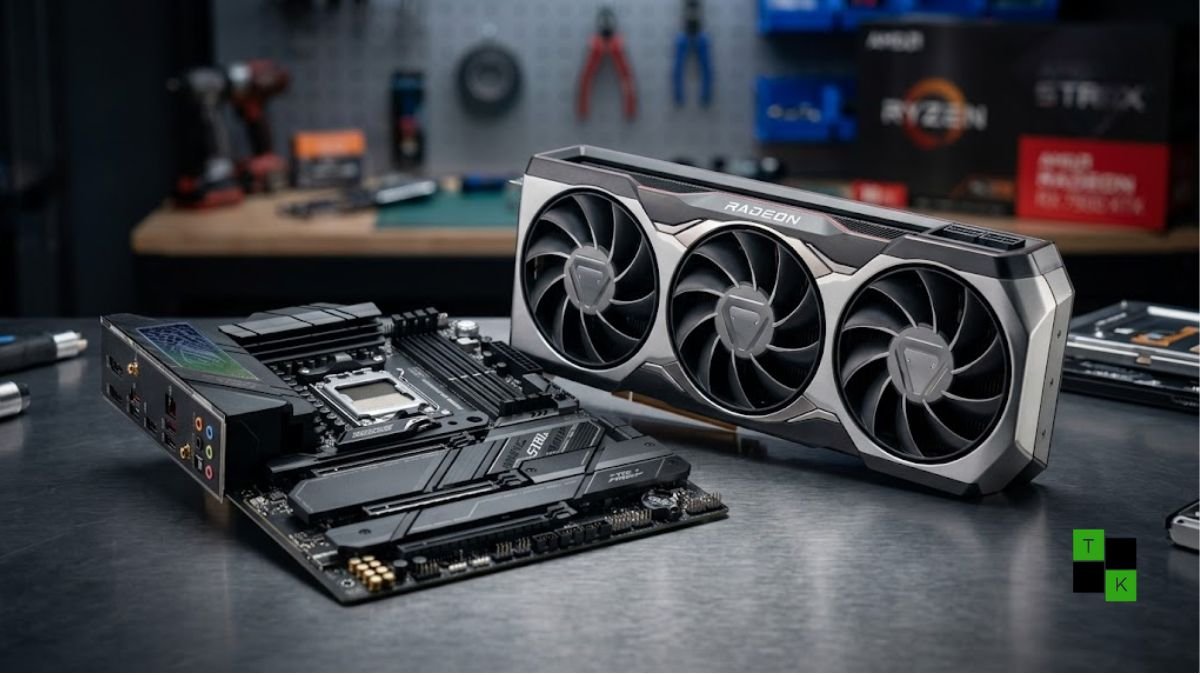
DIY PC builders and hardware enthusiasts may face higher component costs ahead of the holiday season. Industry supply-chain reports from Chinese tech outlet Expreview indicate that AMD has begun notifying its motherboard and add-in-board (AIB) partners of an impending 10% price increase across multiple product categories, set to take effect in the fourth quarter of 2026.
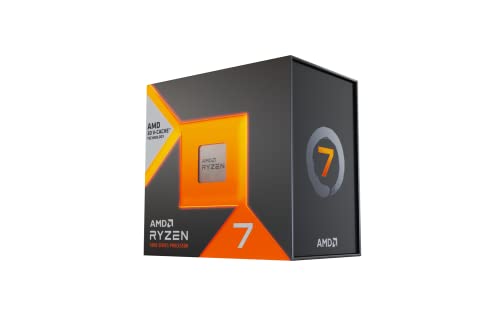
The adjustment applies directly to Radeon graphics processing units (GPUs), motherboard chipsets, and enterprise AI processors. While desktop Ryzen processors are not explicitly named in the initial partner memos, industry analysts warn that broader foundry cost pressures could eventually push consumer CPU prices upward as well.



Supply Chain Memos: GPUs and Motherboard Chipsets Hit
The pricing adjustment was communicated directly to major hardware manufacturers in Taiwan and mainland China, including board partners responsible for assembling retail graphics cards and AM5 motherboards:
- Radeon Graphics Cards: Both existing Radeon graphics inventories and upcoming discrete GPU allocations will see their wholesale bill-of-materials (BOM) rise by roughly 10%. AIB vendors typically pass upstream component cost increases directly to retail shelves, meaning street prices on gaming GPUs could shift accordingly.
- Motherboard Chipsets: Unlike isolated GPU or CPU price changes, raising the cost of core motherboard chipsets impacts the entire ecosystem. Motherboard manufacturers must pay higher procurement fees for the silicon controllers that power PCIe routing, USB bandwidth, and storage lanes across entry, mid-tier, and enthusiast boards.
- Enterprise & AI Silicon: AMD’s Instinct accelerator lineup is also subject to the price hike, reflecting ongoing global demand for high-performance computing hardware.
The TSMC Factor: Rising Wafer and Advanced Packaging Costs
The primary driver behind AMD’s pricing revision is escalating procurement costs from its primary semiconductor manufacturing partner, TSMC (Taiwan Semiconductor Manufacturing Company).
Advanced fabrication nodes-including 4nm, 3nm, and next-generation 2nm production lines-have seen steady price increases due to intense global demand from high-margin hyperscalers and mobile chipmakers. In addition, advanced packaging technologies like chip-on-wafer-on-substrate (CoWoS), which AMD relies on for complex multi-chiplet GPU and accelerator architectures, remain constrained industry-wide. With TSMC adjusting wafer contract rates upward for late 2026, fabless designers like AMD are passing those cost burdens down the supply chain.
AMD Q4 2026 Price Hike: Impact by Category
| Hardware Segment | Expected Q4 2026 Impact |
| Radeon Discrete GPUs | ~10% wholesale cost increase passed to AIB retail cards |
| Motherboard Chipsets | ~10% increase on AM5 chipset silicon, raising board BOMs |
| Instinct AI Accelerators | ~10% adjustment reflecting enterprise wafer allocation |
| Ryzen Desktop CPUs | Spared in current memos; exposed to future wafer adjustments |
| Effective Implementation | Rolling rollout throughout Q4 2026 (October-December) |
Will Ryzen CPUs Be Spared?
For now, AMD’s client desktop and laptop processors appear exempt from the immediate price revision:
- No Direct CPU Notice Yet: Supply-chain sources confirm that Ryzen desktop CPUs were absent from the initial partner price adjustment notices sent out this week.
- Indirect Squeeze via Motherboards: Even if CPU shelf prices remain stable, consumers planning a new PC build will still feel the impact. Because motherboard chipsets are subject to the hike, new AM5 motherboards will carry higher manufacturing costs, raising the total entry price for the platform.
- Potential Spillover: If TSMC’s wafer pricing adjustments remain permanent into 2027, analysts caution that AMD may eventually have to adjust margins across its mainstream consumer processor catalog to offset foundry overhead.
What This Means for Holiday PC Builders
With the revisions scheduled to take effect during the fourth quarter, the timing intersects directly with annual holiday shopping events.
While existing retail stock already sitting in distributor warehouses or on store shelves will retain current pricing, subsequent restocks arriving in late October and November may carry higher manufacturer suggested retail prices (MSRPs). Consumers planning system upgrades or custom desktop builds around AMD hardware may want to secure graphics cards and motherboards before the revised wholesale pricing works its way into retail distribution.
🚨 Stay Updated with TopKhoj! 🚨
Get the latest tech news, deals, and exclusive offers first!
📰 Visit News Section📲 Join our Telegram Channel for real-time updates and best deals!
🔗 Join Telegram Now💡 Stay informed and never miss a great deal with TopKhoj!
⚠️ Disclaimer: Any link provided in the article related to a product or service will redirect you to our affiliate partner(s)' website, which are affiliate links. This means that if you make a purchase through these links, we may earn a commission at no extra cost to you. This commission helps support our blog and our work.
🔔 All prices mentioned above are subject to change based on current offers and availability on e-commerce platforms. Please check the latest price and product details on the product page before making a purchase.