Add TOPKHOJ on Google:
 Preferred Source
For more than a decade, receiving an immediate channel termination notice from YouTube was the ultimate operational disaster for digital creators. Outside of the standard three-strike copyright ladder, severe Community Guidelines infractions-especially those falling under Google’s broad “Spam, Deceptive Practices, and Scams” framework-frequently resulted in instant, algorithmic channel deletions that locked creators out of their accounts overnight. Now, YouTube is testing a softer, supervised alternative.
Announced on October 29, 2026, YouTube has begun rolling out an experimental 30-day channel ban policy that allows qualifying channels facing immediate termination for spam violations an opportunity to clean up their content and save their accounts from permanent bans.
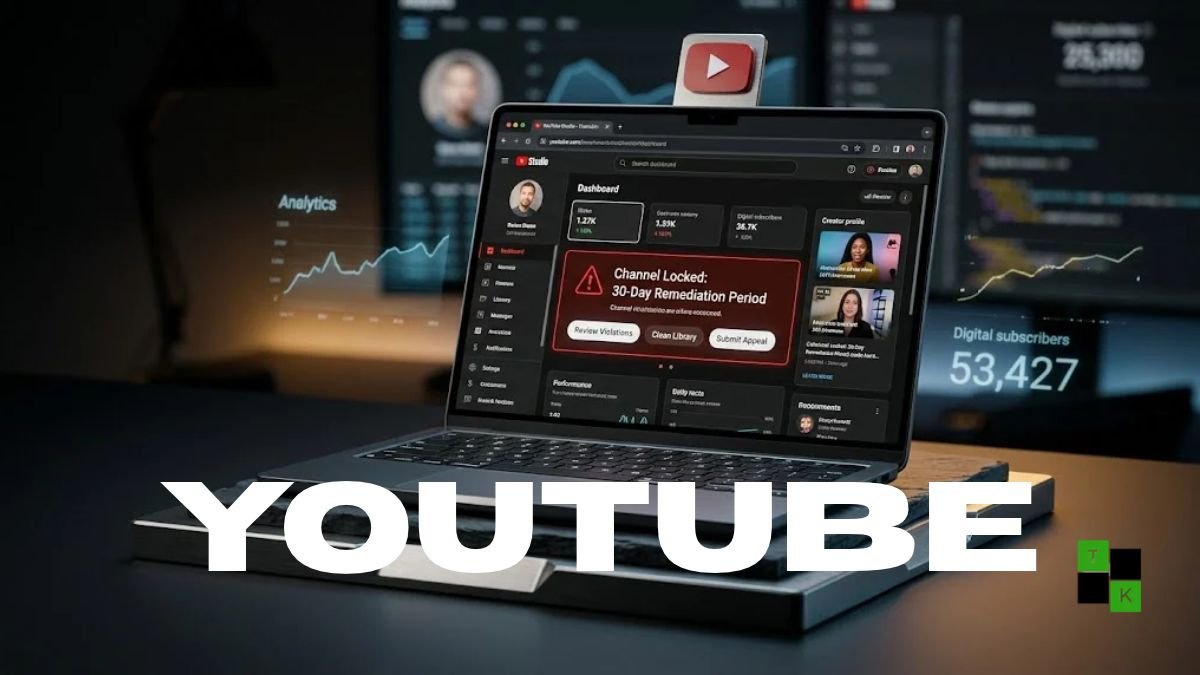
Under the experimental process, eligible creators are placed into a 30-day locked period.
While normal functionality like uploading videos and posting comments is disabled, channel owners retain backend access to audit their catalogs, edit or delete offending videos, wipe their archives as a last-resort account salvage option, or file a formal appeal before permanent termination takes effect.
How the 30-Day Locked Period Functions
Historically, when YouTube flagged a channel for severe spam or deceptive practices, the channel URL immediately redirected to a termination screen, and the creator’s Google payments and YouTube Studio dashboards were disabled.
Under the new experimental system, the enforcement mechanism is broken into stages:
- Account Freezing (The 30-Day Lock): When an eligible channel triggers a spam termination threshold, it enters a 30-day probationary lock. The channel’s public profile remains frozen, and the creator is restricted from uploading new content, hosting live streams, or publishing public comments.
- Preserved Dashboard Access: Unlike outright bans, creators retain complete access to their video library inside YouTube Studio. This allows them to download raw video archives, inspect flagged metadata, and take corrective action.
- The Termination Deadline: The 30-day countdown is strict. If a creator fails to take action or ignores the notice within the 30-day window, the channel is permanently deleted at the end of the period.
The Three Recovery Paths for Flagged Creators
During the 30-day window, eligible creators are offered three distinct methods to resolve their enforcement status:
Option 1: Targeted Video Cleanup (Manual Review)
Creators who believe only a handful of specific uploads triggered the spam flags can manually edit metadata, unpublish, or delete those individual videos. Once the edits are made, the creator submits the channel for a manual cleanup review. If YouTube’s moderation team confirms the offending violations have been removed, the channel is restored to good standing.
Option 2: The “Nuclear Option” (Wipe All Videos to Save the Account)
If a creator’s targeted cleanup review is rejected—or if the spam flags are too deeply embedded across hundreds of legacy uploads—creators have access to a fallback choice: wiping out their entire uploaded video library. While deleting an entire catalog costs the creator their historical views and watch hours, it preserves the channel’s subscriber base, custom URL handle, verification badges, and associated Google Account identity, allowing them to rebuild from a clean slate rather than being banned from creating future channels.
Option 3: Formal Policy Appeal
The remediation test does not replace the traditional appeal process. If a creator believes the enforcement was an automated false positive (such as legitimate educational content flagged by automated filters as spam), they can file an appeal directly within YouTube Studio alongside their cleanup options.
Which Violations Qualify for the 30-Day Grace Period?
YouTube has clarified that this experiment does not apply universally to all Community Guidelines breaches. Instead, it is targeted strictly at specific infractions under the Spam and Deceptive Practices umbrella:
- Artificial Engagement & Metrics Manipulation: Channels that ran afoul of third-party view-boosting services, automated comment bots, or artificial subscriber networks.
- Misleading Metadata & Clickbait Scams: Videos with deceptive thumbnail-to-content mismatches, mass duplicate uploads, or affiliate tag stuffing in video descriptions.
- Automated Scraped Content: Compilations or auto-generated media that skirt the boundaries of synthetic production rules.
- Off-Platform Link Diversion: Channels penalized for outdated external hyperlinks pointing to unverified domains in older description boxes.
- Excluded Violations: Critical violations involving hate speech, child safety exploitation, violent extremism, severe copyright piracy, and coordinated illegal acts will not receive a 30-day grace period and will continue to face immediate, unannounced account termination.
YouTube Enforcement: Traditional Bans vs. 30-Day Cleanup Experiment
| Operational Dimension | Traditional YouTube Termination | Experimental 30-Day Locked System |
| Initial Platform Action | Immediate deletion; channel wiped from web | 30-day probationary lock status |
| Video Library Access | Zero access; videos lost unless locally backed up | Full YouTube Studio access to inspect & delete |
| New Uploads / Comments | Disabled | Disabled during the 30-day review period |
| Targeted Cleanup Option | Not possible after termination | Edit or delete offending uploads manually |
| Account Preservation | Circumvention rules ban future channels | Full library wipe allowed to retain handle/subs |
| Appeal Mechanism | One-time formal web appeal | Appeal runs parallel with cleanup tools |
| Eligible Infractions | All Community Guidelines violations | Select Spam & Deceptive Practice cases only |
| Enforcement Philosophy | Punitive banishment | Supervised remediation and correction |
Strategic Takeaway: Remediation Over Outright Deletion
The rollout of this 30-day testing window highlights an evolution in YouTube’s creator relations philosophy:
- Averting “Algorithmic Death Sentences”: Automated moderation bots frequently misinterpret video metadata or flag hacked channels as spam vectors. Giving creators a 30-day window provides a buffer against catastrophic false positives.
- Balancing Brand Equity with Enforcement: For high-subscriber creators, losing a channel means forfeiting an entire business identity. Offering the choice to clear offending videos rather than losing the subscriber base prevents years of community building from disappearing over isolated policy mistakes.
- Rollout Status: For now, the feature is operating as a controlled experiment across selected geographies and qualifying spam cases. Depending on compliance metrics and abuse rates observed during the testing phase, YouTube is expected to evaluate expanding the supervised remediation model to additional policy categories into 2027.
🚨 Stay Updated with TopKhoj! 🚨
Get the latest tech news, deals, and exclusive offers first!
📰 Visit News Section📲 Join our Telegram Channel for real-time updates and best deals!
🔗 Join Telegram Now💡 Stay informed and never miss a great deal with TopKhoj!
⚠️ Disclaimer: Any link provided in the article related to a product or service will redirect you to our affiliate partner(s)' website, which are affiliate links. This means that if you make a purchase through these links, we may earn a commission at no extra cost to you. This commission helps support our blog and our work.
🔔 All prices mentioned above are subject to change based on current offers and availability on e-commerce platforms. Please check the latest price and product details on the product page before making a purchase.